

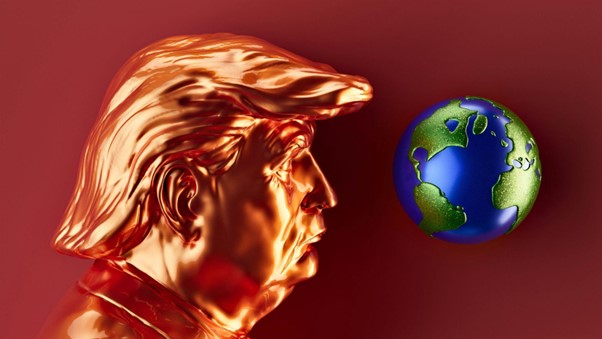
Australian exporters face fresh pressure after the United States announced new tariffs on a broad range of Australian goods. While the global economy is still recalibrating from the shocks of COVID-19 and inflation, this latest move from Washington, framed as part of a broader “America First” economic push, has initiated trade tensions and raised difficult questions about market access, financial resilience, and diplomatic strategy.
What the New US Tariffs Mean
As of April 5, 2025, the U.S. government has imposed a baseline 10% tariff on most Australian imports, with sectors like steel and aluminum facing rates up to 25%. These actions come despite the Australia–United States Free Trade Agreement (AUSFTA), which had allowed tariff-free trade in many areas since 2005.
The sudden shift has unsettled exporters and policymakers. “The tariffs are a unilateral decision that breaks with decades of strong economic cooperation,” said Trade Minister Don Farrell. “While Australia upholds its commitments, these U.S. measures put Australian businesses at a disadvantage.”
Following the announcement, financial markets reacted swiftly. The AUD–USD exchange rate grew volatile as traders weighed disrupted trade flows, shifting demand, and potential retaliation. Even minor currency swings can shrink margins or complicate pricing for exporters paid in U.S. dollars.
In this climate, internationally active businesses are turning to online forex brokers to manage currency risk. A reputable forex trading broker offers real-time data, technical analysis, and risk management tools—now essential in today’s volatile environment.
Sectors Under Pressure
While the tariffs technically apply to a wide range of goods, some sectors are far more exposed than others. Here’s a breakdown of the industries that were hit the hardest:
1. Beef and Red Meat Exports
The US cattle population has dropped to its lowest level in 74 years, mainly due to ongoing drought. To help meet domestic demand, the U.S. imported over AUD3 billion worth of Australian beef in 2024. With the 10% tariff now in place, producers face significantly thinner margins or, worse, being priced out of the market entirely.
“We’re not just talking about export costs – we’re talking about farms and rural jobs,” said Fiona Simson, President of the National Farmers’ Federation. “For many beef producers, the U.S. is a premium market. Losing competitiveness there would hit the industry hard.”
But according to Angus Gidley-Baird, a senior animal proteins analyst at Rabobank, applying a flat 10% tariff across the board doesn’t change Australia’s standing in the market. Brazil, which exports more beef to the US than Australia, will face the same tariff rate.
“The question is which part of the supply chain will bear the costs,” Gidley-Baird said. “With robust demand and limited supply in the US for beef at the moment, you could argue that it will land on the consumer end.”
2. Metals and Minerals
Australian steel and aluminum exports are the most heavily impacted. These products now carry a 25% tariff, with the return of the previous U.S. measures under the Trump administration’s Section 232 trade policies. Australia was initially exempted from those tariffs in 2018, but appears to be back on the list in 2025.
Tania Constable, CEO of the Minerals Council of Australia, stated: “The reintroduction of metal tariffs undermines both the spirit of AUSFTA and the practical economics of supply chains that rely on open trade.”
A $27 Billion Threat
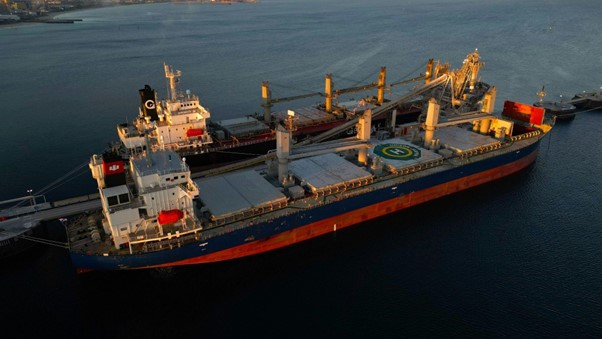
While the U.S. only accounts for roughly 5% of Australia’s total exports, the compound effect could be significant. The Guardian reports that new tariffs could cost the Australian economy up to AUD 27 billion, factoring in lost market share, supply chain disruptions, and global investor uncertainty.
The broader concern, however, lies in the geopolitical ripple effects. Treasurer Jim Chalmers warned that U.S. trade aggression could escalate tensions with China, Australia’s largest trading partner.
“We are monitoring this situation closely,” Chalmers said. “The global economy is at a delicate moment. U.S.-China trade volatility affects us all, and Australia must be prepared for any secondary impacts.”
The Government’s Response
Prime Minister Anthony Albanese has announced a comprehensive five-point plan to protect local industries and diversify trade to counter the threat.
- $50 Million Export Transition Fund: Targeted grants to help exporters pivot to alternative markets, such as Japan, South Korea, or Southeast Asia.
- $1 Billion Economic Resilience Program: Aimed at encouraging local manufacturing and reducing reliance on politically sensitive trade relationships.
- Anti-dumping protections: Strengthening trade enforcement to shield Australian producers from predatory pricing or excess foreign supply.
- “Buy Australian” Procurement Initiative: A new directive prioritizing Australian-made goods in government contracts to stimulate local demand.
- Diplomatic Engagement: DFAT officials are pursuing bilateral talks with their U.S. counterparts to negotiate exemptions and clarify long-term trade policy.
Albanese emphasized the stakes in a national address: “We cannot control the decisions of others, but we will always defend Australian interests. Our exporters are world-class, and we will fight for their access to fair and open markets.”

How Businesses Are Reacting
Australian exporters, particularly in the agriculture and mining sectors, are already looking for ways to adapt.
For some, pivoting to Asia offers a promising path forward. China, South Korea, and Japan remain strong importers of Australian goods, and existing free trade agreements can help cushion the blow. Others invest in value-added processing at home, hoping to sell finished products at higher margins elsewhere.
But there’s also a mood of unease. “It’s not just about tariffs, it’s about trust,” said Andrew McConville, CEO of the Australian Petroleum Production & Exploration Association. “When long-standing trade agreements are overridden without warning, it sends a message that no deal is safe.”
The Return of Protectionism?
The new U.S. tariffs result from a global change in protectionist policies. The World Trade Organization (WTO) has warned that rising unilateral trade measures could stall global recovery and increase inflationary pressure.
According to UNCTAD (United Nations Conference on Trade and Development), global trade in goods shrank by $250 billion in 2024 due to rising tariffs and economic uncertainty. The fear is that escalating U.S. trade barriers could trigger retaliatory measures from affected countries, including Australia.
Test of Resilience
Australia’s economy has shown resilience before, but this challenge is different. It’s not a shock from nature or finance, but from one of its closest allies. Exporters will need to act quickly, think globally, and stay informed. Whether through market diversification, stronger regional ties, or product innovation, Australia must adapt to a new world where trade is no longer guaranteed but negotiated.

The above article is paid content, and any information presented should be independently verified before making any decisions as a result of the content. This article does not constitute advice of any kind, nor does it represent the opinions of the website publisher.