

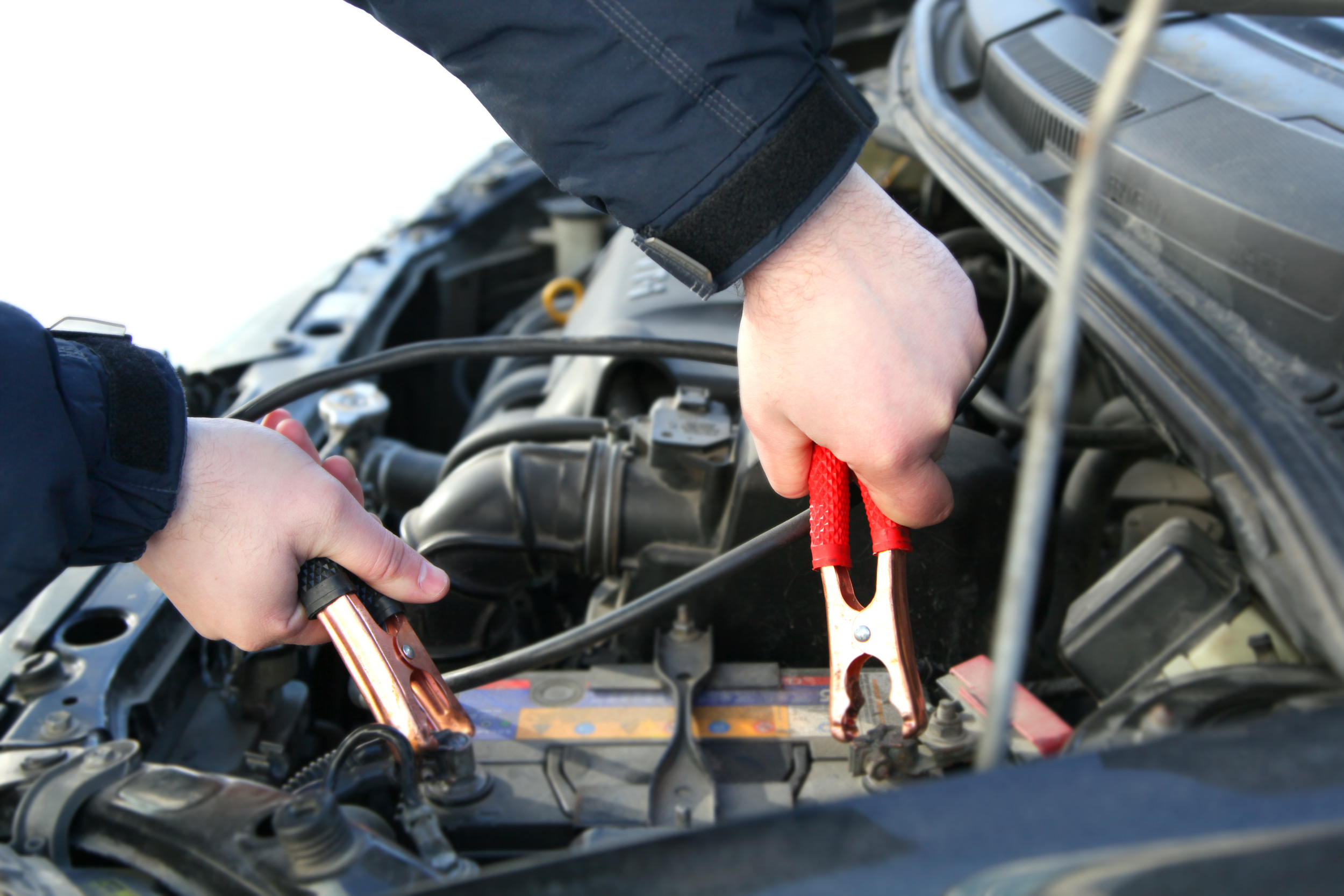
Driving is all fun and games until you’re stuck with a car that won’t start. That dreaded ignition failure always seems to happen at the worst possible moment: when you’re running late to pick up the kids from daycare or rushing to meet a potential new client. Suddenly, your only options are booking a cab or calling a friend for help. Not very convenient, right?
Well, understanding battery warning signs and replacement needs can save you from potential roadside headaches and costly delays. In this post, we’ve listed a few points that’ll help you read the signs and avoid a dead battery emergency.
Five Key Warnings Your Battery is On the Way Out
Age is catching up. If the battery is pushing past the three-year mark, internal plates have already begun to sulphate. A quick load test now will cost less than a tow later.
The engine cranks in slow motion: A drawn-out whirr under the bonnet shows voltage sag under load. Less cranking amps mean the starter is gasping for current.
Headlights fade at idle: Dipping beams when the engine is idling tell you the battery can no longer buffer the alternator. Visibility and safety drop together.
Electrics act up: A clock that resets, windows that creep and an infotainment screen that flickers all point to low system voltage.
The case looks swollen: Heat and over-charging make the plastic housing bulge. Any distortion or seepage is a safety hazard, and it’s highly recommended to replace the unit before it splits.
Watch for these early warning signs and act immediately before you are left with no choice but to call a battery roadside assistance team.
Why Batteries Quit Early in Australia – Four Big Culprits
A modern battery is tough, yet several everyday conditions can wear it down far sooner than expected:
Temperature extremes: High engine-bay heat accelerates the chemical reactions that corrode internal plates and evaporate electrolytes. Each summer day spent crawling in traffic can shave months off a battery’s useful life.
Natural wear and tear: Even in mild conditions a flooded lead-acid battery only delivers peak performance for about three to five years. As the plates age, they shed active material and hold less charge, so cranking power drops away.
Too many short or idle periods: The alternator needs a solid run to replace the energy used during start-up. Repeated five-minute trips or letting the car sit for weeks keeps the battery in a constant state of partial charge. Over time, sulphate crystals harden on the plates and reduce capacity.
Accessories left running: Dash cams, interior lights and phone chargers that stay live after you switch off the ignition can nibble at the battery all night. The slow drain might go unnoticed for days, but eventually, the voltage falls below the level needed to crank the engine.
DIY Repair or Call for Professional Help?
Swapping a modern battery is not a simple thing.
Many late-model cars lose radio codes, seat memory or steering-lock calibration if they are left without power. To avoid any further trouble, it’s wise to call a reliable mobile battery roadside assistance service.
Once you explain your problem and share your location details, a professional technician arrives with the correct specification, fits it on the spot and recycles the old battery under NSW hazardous-waste rules.
Want to Prolong Battery Life? Try These Simple But Effective Tricks
Technicians from a top-rated battery shop in Sydney, NSW suggest these three ways to make your battery last longer:
Take the car for a proper run each week
A quick dash to the nearby store drains power but gives the alternator no time to refill it. Give the battery at least one steady 20-minute drive every seven days. A full recharge keeps sulphate from hardening on the plates and protects your cold-cranking punch.
Beat the heat and keep the clamps clean
Whenever you can, park in the shade or an underground garage. Lower engine-bay temperatures slow the chemical wear that cooks a battery from the inside.
Also, at every service, wash the terminals with warm water and bicarb soda, then smear on dielectric grease. Tight, corrosion-free clamps mean less resistance and easier starts.
Cut overnight power drains
Dash cams, interior lights and phone chargers often stay live after you switch off the ignition. Unplug them or fit a low-voltage cut-off so they sleep below 12 volts. Keeping those sneaky draws in check lets the battery wake up close to full charge each morning, ready for the school run or that early meeting.
Consult with Professionals for Reliable Car Battery Replacement Services
If you suspect the battery has reached its use-by date or the engine is cranking harder than usual, do not wait. Speak to a qualified technician at a reputed battery shop like Ozzy Power before the car leaves you stranded.
Local specialists offer quick on-site tests that measure starting current, voltage drop and reserve capacity. Within minutes they can confirm whether the battery still has life or needs replacement. If a new unit is required, they will:
- Match the correct size, cold-cranking amps and technology for your vehicle
- Fit the battery safely without wiping radio codes or electronic settings
- Recycle the old unit in line with NSW hazardous-waste rules
- Provide a written warranty that covers parts and labour.
Too busy to visit the workshop? Call battery roadside assistance services instead. A mobile technician will arrive with the right replacement, install it in your driveway or car park, and run a full charging system check before you head off. This professional support eliminates guesswork and protects both your vehicle and peace of mind – totally worth the investment!

The above article is paid content, and any information presented should be independently verified before making any decisions as a result of the content. This article does not constitute advice of any kind, nor does it represent the opinions of the website publisher.