

Some mornings remind a person that the body keeps score. That first step out of bed stings the heel. A grip on the kettle pinches the elbow. Reaching for a jacket tugs the shoulder. When rest, stretching, and new shoes haven’t fixed things, it’s reasonable to wonder if there’s a smarter next step, and if options like shockwave therapy are worth your consideration.
This guide explains what shockwave does, when it helps, and how it fits into a sensible recovery plan – so someone can decide with confidence rather than hope.
What is Shockwave Therapy?
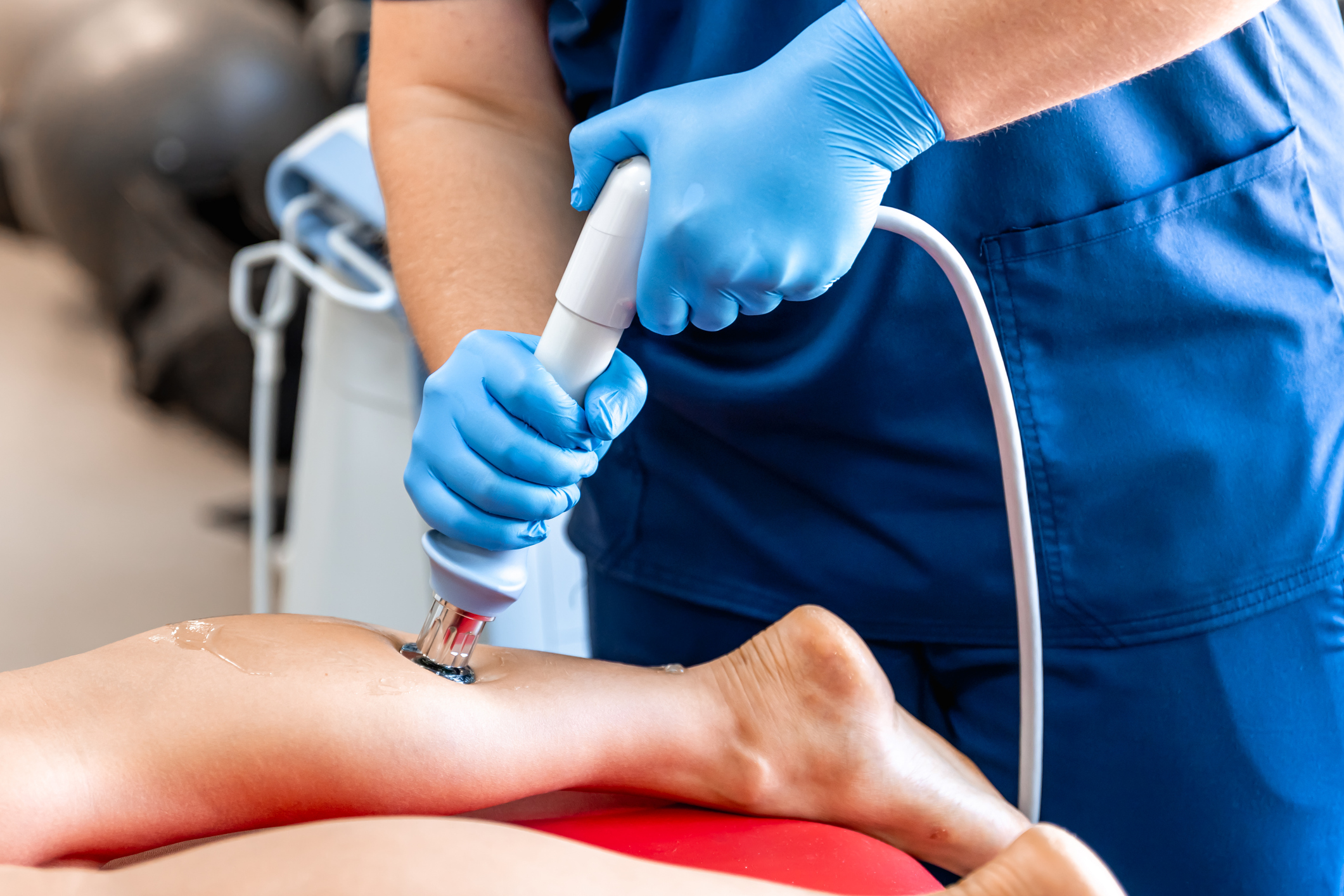
Shockwave therapy, formally known as Extracorporeal Shockwave Therapy or ESWT, uses focused acoustic pulses to stimulate a stalled healing response in overloaded tissues. In simple terms, those pulses can:
- Increase local blood flow to bring oxygen and nutrients
- Create a small, controlled level of cellular stress that “reminds” tissue to repair
- Modulate pain signals so rehab exercises are actually doable
The solution is completely non-invasive – no needles, no surgery, and no downtime for recovery. However, don’t believe it to be a magic bullet either – it may or may not help you, depending upon factors like age, specific diagnosis and timing. Most people receive brief sessions once a week for a few weeks, paired with a tailored programme of progressive loading and activity tweaks.
Conditions That Commonly Respond
The following conditions have shown positive responses to shockwave therapy when used as part of a comprehensive treatment approach:
Plantar fasciitis (heel pain): Classic signs include sharp first-step pain and a tight, aching heel after standing or walking. When footwear changes, stretching, and foot/calf strengthening have plateaued, shockwave can help nudge healing forward.
Achilles tendinopathy: This usually builds with running, hills, jumping, or long hours on the feet. Progressive calf loading (both bent- and straight-knee) remains the foundation; shockwave can reduce pain enough to progress that loading when someone keeps getting stuck.
Patellar tendinopathy (jumper’s knee): Kneecap-base pain that lingers for months can derail training. Shockwave may lower symptoms so quality quad/hip strength work can resume without flare-ups.
Tennis or golfer’s elbow: Repetitive gripping, desk set-ups, DIY jobs, and playing golf all contribute. Combining forearm strength, workload changes, and a short course of shockwave can help stubborn cases move past the bottleneck.
Shoulder calcific tendinopathy and rotator-cuff overload: Deposits and irritated tendons can be painful and sleep-disturbing. Shockwave may assist with pain and tissue change while a guided programme restores shoulder mobility and strength.
Proximal hamstring and gluteal tendinopathy: Sitting-bone pain in runners and outer-hip pain with walking or side-sleeping often respond to carefully dosed strength. Shockwave can improve pain tolerance during that rebuild.
What Thoughtful Care Actually Looks Like
People who do well with shockwave almost always follow a clear process:
Assessment: A proper diagnosis excludes red flags (e.g., acute tears, stress fractures) and confirms whether shockwave therapy is appropriate. Cautions may include pregnancy over growth plates, local infection, certain blood-thinning medications, significant circulatory disorders, or a metal implant directly under the treatment site.
Short, purposeful sessions: The treatment per area lasts minutes. It sometimes associates mild, short-lived side effects like redness, tenderness, or a bruise-like ache that should settle in a day or two.
Rehab: Strength and gradual return-to-load do the long-term work. Shockwave’s job is to reduce pain enough that rehab can be done well and consistently.
Do note that not everyone responds to this option. If function and pain don’t improve within a reasonable window, it’s appropriate to stop and choose a different path.
Why the Clinician’s Experience Matters
Technique, timing, and integration with rehab matter as much as the machine. An experienced practitioner recognises the right cases, doses treatment appropriately, and knows when to say, “This isn’t the right tool.”
David Toomeh, Director and Sports Chiropractor at My Sports Chiropractor, is a trusted clinician many people see for precisely this kind of judgement. He has extensive, day-to-day experience using shockwave as part of care for foot, ankle, knee, hip, elbow, and shoulder complaints. His practical, athlete-informed approach is simple: assess properly, treat purposefully, and keep the plan anchored in exercises that build capacity. If shockwave isn’t likely to help, he is upfront and redirects care.
For someone weighing shockwave therapy for children playing sports or a chronic pain condition, a detailed conversation with an experienced clinician can save months of guesswork. A consultation with sports injury management specialists like David at My Sports Chiropractor can help confirm whether shockwave is useful or whether a different path will serve better. Book in or inquire now to treat plantar fasciitis or similar conditions with quality care.


The above article is paid content, and any information presented should be independently verified before making any decisions as a result of the content. This article does not constitute advice of any kind, nor does it represent the opinions of the website publisher.