

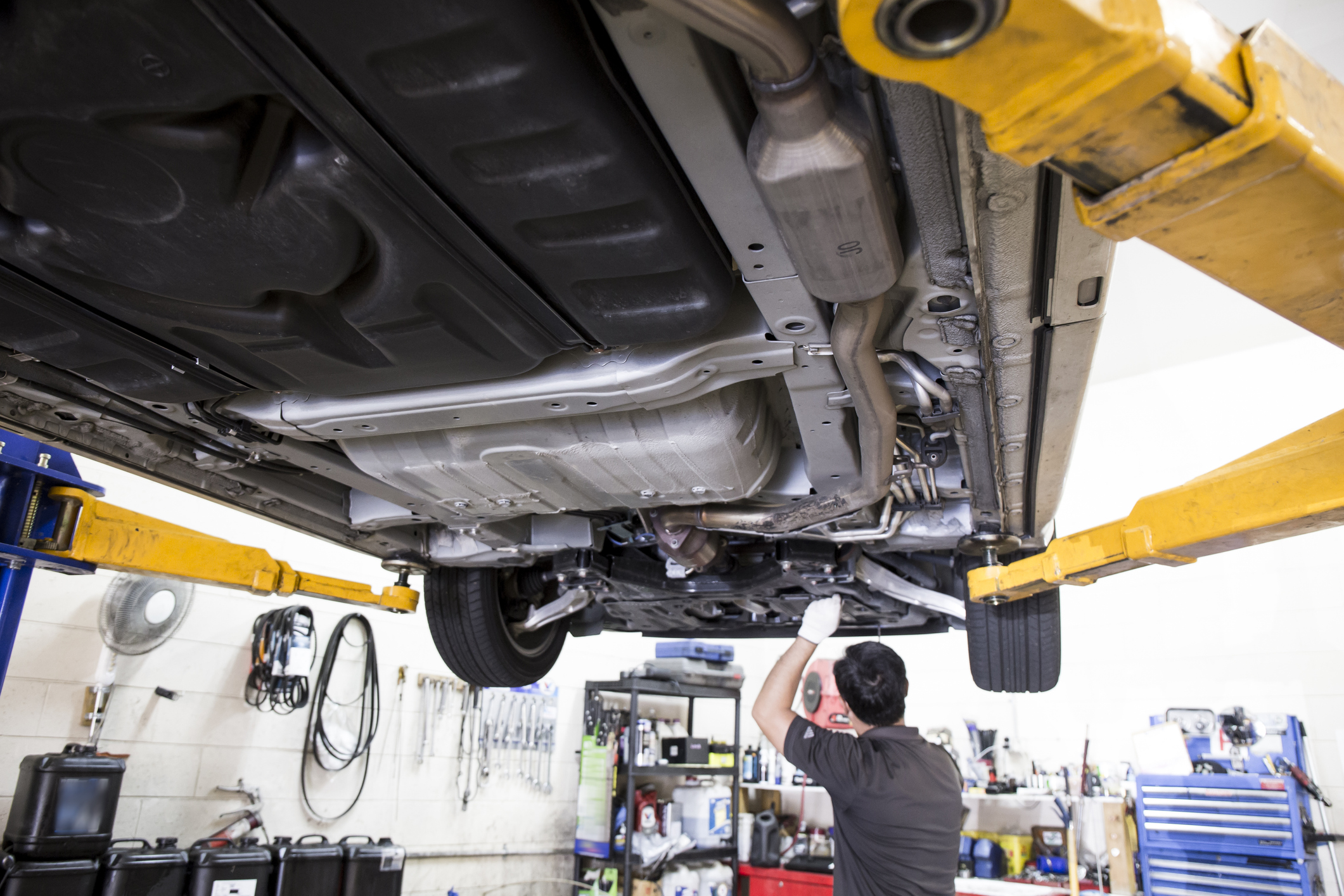
If you’ve ever found yourself comparing car listings or weighing up options at a dealership, you’ve probably wondered whether an automatic or a manual gearbox is the better choice. It seems like a small detail on the surface, but in real life, the gearbox you choose can influence your comfort, confidence, running costs, and how your car behaves on the road.
This guide explains both gearbox types, how they work, and how to figure out what’s right for your style of driving in Australia.
What a Gearbox Really Does
A gearbox is essentially the middleman between your engine and your wheels. Your engine revs quickly; your wheels turn more slowly. The gearbox helps translate that power smoothly, giving you a strong pull at low speeds and quiet efficiency at higher speeds.
Manual and automatic gearboxes both achieve this, but they go about it in very different ways.
How a Manual Gearbox Works in Everyday Driving
A manual gearbox gives you direct control. You use the clutch pedal to temporarily disconnect the engine, shift into the gear you want, and then release the clutch to reconnect everything.
In practical terms:
- You choose the gear changes: You can hold gears longer or shift early, depending on how you want the car to behave.
- Traffic requires more effort: Stop-start conditions mean constant clutch work, which not everyone enjoys.
- Learning takes time: Hill starts, timing the clutch, and avoiding stalls are part of the manual experience.
Many Australian drivers love manuals for the sense of involvement and the satisfaction of precise control. They’re often preferred for winding country roads, towing setups, or situations where the driver wants to feel directly connected to the car.
How an Automatic Transmission Works From the Driver’s Perspective
With an automatic transmission, the vehicle handles the shifting for you. Instead of a clutch pedal, you simply select a drive mode (P, R, N, D) and focus on the road.
Day-to-day, that means:
- Far less effort behind the wheel: Ideal for city driving, commuting, and peak-hour traffic.
- Smoother, more predictable operation: Modern automatics are quick to respond and manage gear changes with surprising accuracy.
- Reduced learning curve: New drivers often feel more confident starting out with an automatic because there’s less coordination involved.
There are different types of automatics such as torque converter, CVT, and dual-clutch, but most drivers only notice that the car is easy to operate and consistent in how it behaves.
Comparing Manual and Automatic Gearboxes
When you boil it down, both gearbox types come with their own strengths and compromises. Manuals appeal to people who enjoy being in control of every shift, while automatics are built for ease, comfort and everyday convenience. The best choice depends on how you drive, where you drive, and what you expect from your car on a daily basis.
Here’s a side-by-side look to help make the decision a little clearer.
| Features / Consideration | Manual Gearbox | Automatic Gearbox |
| Driving Experience | More hands-on; you decide when to shift. | Smooth and effortless; the car manages gear changes. |
| Best For | Drivers who enjoy engagement and full control. | City commuting, long trips, and stress-free driving. |
| Traffic Conditions | Can be tiring in stop-start traffic due to clutch work. | Ideal for busy roads; minimal effort required. |
| Learning Curve | Steeper learning due to clutch control and timing. | Easier for new or nervous drivers. |
| Fuel Efficiency | Traditionally better, but depends on the model. | Modern automatics often match or exceed manuals. |
| Maintenance | Mechanically simpler but still needs proper servicing. | More complex components; repairs can be more involved. |
| Availability in Australia | Becoming less common; fewer new models offered. | Widely available; preferred by most buyers. |
| Resale Value | Depends on niche demand; sometimes lower. | Generally stronger due to higher market preference. |
| Towing & Hills | Offers predictable control in challenging conditions. | Modern automatics handle hills and towing well, depending on design. |
| Driver Fatigue | Higher in urban areas due to constant shifting. | Lower, especially in city environments. |
Choosing the Right Option for Your Needs
To narrow things down, consider the following points:
Your Main Driving Environment
If most of your driving is in busy suburbs, school zones, or CBD-style traffic, an automatic will likely suit you better. If you regularly travel through regional areas or enjoy spirited, engaging drives, a manual can still be rewarding.
How You Feel Behind the Wheel
If you prefer simplicity and minimal effort, an automatic removes a lot of stress. However, If you enjoy feeling the car respond to your actions, manuals deliver that hands-on control.
Who Shares the Car With You
If other drivers in your household only hold automatic licences, the choice becomes straightforward.
Long-Term Ownership Plans
Automatics dominate Australia’s car market today, so resale value can lean in their favour, depending on the model.
Why Looking After Your Transmission Matters
Whether you choose a manual or an automatic, your gearbox is one of the hardest-working systems in the entire vehicle. It deals with heat, pressure, metal-on-metal contact, and constant motion every time you drive.
A bit of preventative attention goes a long way, especially in Australian conditions where heat and long commutes can put extra stress on driveline components.
Here’s what matters most:
Transmission fluid is more important than most people realise
Think of the fluid as the lifeblood of the gearbox. It lubricates moving parts, keeps temperatures in check, and helps the system operate smoothly.
Over time, the fluid breaks down, and heat, friction and contaminants all play a part. If it’s not replaced at the right intervals, it can’t protect the internal components properly, which is when wear accelerates. This applies to both manuals and automatics (though automatics tend to rely even more heavily on healthy fluid).
The key is to follow your vehicle manufacturer’s service schedule or, if the car already has some kilometres behind it, have a specialist check its condition.
Watch for changes in how the car behaves
Gearboxes don’t just fail suddenly, there are a few warning signs that you must consider on time. For instance, you might feel a hesitation when changing gears, a slight shudder when accelerating, or hear a whine that wasn’t there before.
Automatics might feel like they’re “searching” for the right gear, while manuals may grind or resist when you try to shift.
These symptoms don’t always mean a major repair is coming, but they are your cue to get the car looked at by someone who knows transmissions well. Catching a small issue early is always cheaper and simpler than waiting for it to worsen.
A quick check now can save you a very expensive repair later
Gearbox problems rarely improve on their own. If anything, the longer they’re ignored, the more damage they do internally. A worn seal today can turn into a fluid leak tomorrow. Low fluid can then lead to overheating. Moreover, overheating can warp or burn components – and that’s when repairs become far more serious.
A short inspection and diagnostic test can give you clarity, reassure you, or highlight something small before it becomes a big headache. It’s one of those situations where early intervention truly pays off.
When to See a Transmission Specialist
If you’ve ever typed something like ‘transmission specialist near me’ into Google, you’ve probably noticed something different about how your car shifts – maybe a hesitation, noise, or rough gear change.
These signs generally shouldn’t be ignored. Gearbox issues rarely disappear on their own, and a specialist can diagnose the cause accurately.
A workshop like Gearbox Solutions, which routinely handles manual and automatic systems, can:
- Test-drive the vehicle to feel what you’re describing
- Run specialised diagnostics
- Explain the issue in practical language
- Suggest realistic repair or replacement options based on condition and budget
This kind of guidance can help you avoid unnecessary worry and make informed decisions.
Wrapping Up
There’s no universally better choice between automatic and manual. It ultimately comes down to how you drive, where you drive, and what makes you feel most at ease on the road.
If you’re weighing up your options or your current gearbox is showing early signs of wear, getting professional advice is always wise. For personalised insight or an honest assessment of what your vehicle needs, you can always contact Gearbox Solutions and similar businesses for guidance that’s based on everyday Australian driving conditions.

The above article is paid content, and any information presented should be independently verified before making any decisions as a result of the content. This article does not constitute advice of any kind, nor does it represent the opinions of the website publisher.