

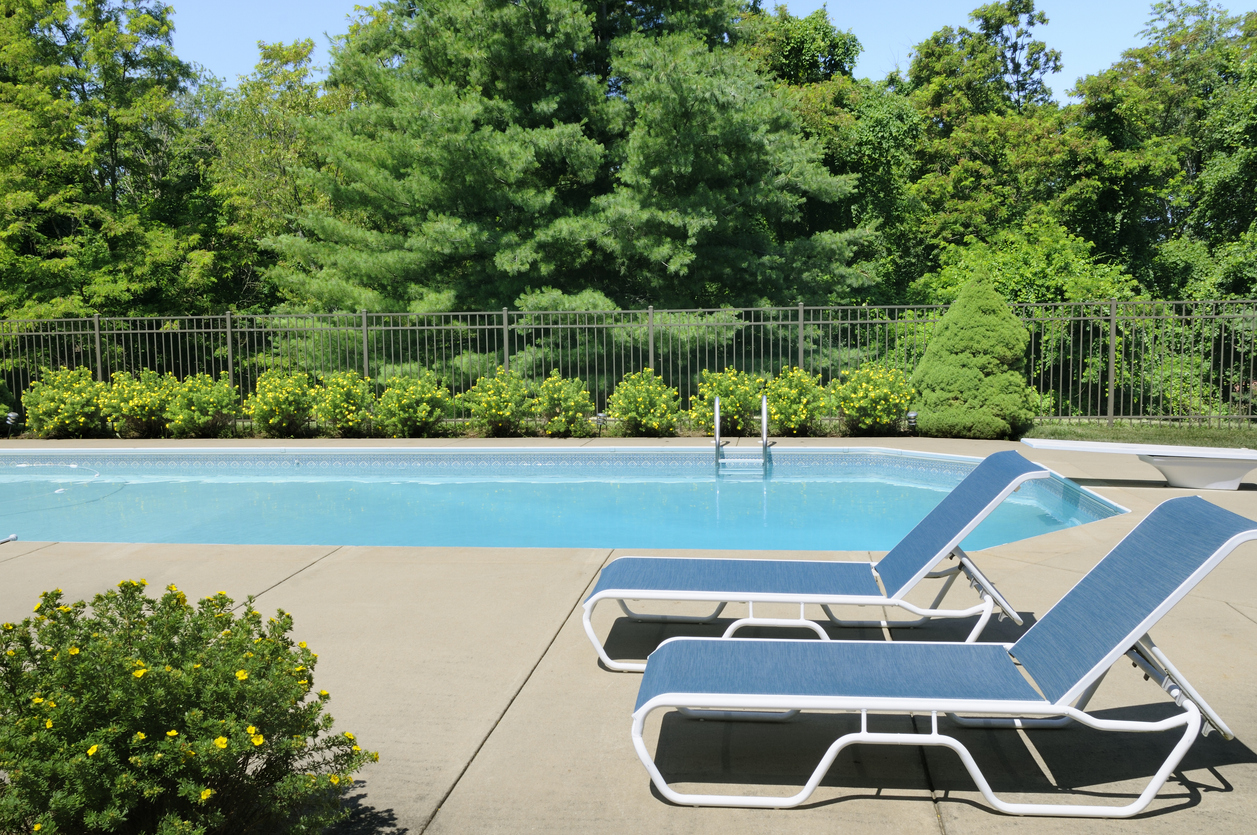
There’s nothing quite like a backyard pool on a scorching summer afternoon! The laughter of kids doing cannonballs, weekend barbecues with mates, those lazy float sessions with a cold drink in hand – it’s the Australian dream, isn’t it? But there’s a nasty reality check that comes with that dream: your pool is simultaneously one of the best and most dangerous features of your property.
Last year alone, 35 people drowned in swimming pools across Australia, and half of those deaths happened in backyard pools just like yours. In NSW specifically, 128 people lost their lives to drowning in 2023-24 – a staggering 33% increase from previous years. Even more sobering? For every child who drowns, approximately eight more are hospitalised with non-fatal drowning injuries that can result in permanent brain damage.
So here’s the question every pool owner needs to answer honestly: are you prioritising safety and compliance, or are you gambling with lives and leaving things to chance? Because when it comes to pool fencing in New South Wales, there’s no middle ground. You’re either doing it right, or you’re one unsupervised moment away from a tragedy that could have been prevented.
Why NSW Takes Pool Fencing So Seriously
The regulations exist because they work.
Most pool drownings involve children under five, and inadequate fencing is a major contributing factor.
NSW councils can conduct spot inspections and issue fines ranging from $550 to $5,500 for non-compliance. But beyond financial penalties, there’s the devastating possibility of an accident that could have been prevented.
The Height Rule You Can’t Compromise On
Let’s start with the most fundamental requirement: height. Your pool fence must be at least 1.2 meters high when measured from the finished ground level outside the pool area. Not “close enough” – exactly 1.2 meters or higher.
Now, if your boundary fence forms part of your pool barrier (meaning it separates your pool from a neighboring property) that fence needs to be 1.8 meters high on the pool side. This isn’t negotiable. The reason? Children are remarkably resourceful climbers, and even a few centimeters can make the difference between a secure barrier and an accessible one.
Understanding the Non-Climbable Zone
The Non-Climbable Zone (NCZ) is a 900mm clearance area extending outward from your pool fence that must remain free of objects that could help a child climb over.
This means pot plants, outdoor furniture, tree branches, BBQs, pool equipment, toys, and ladders all need to stay at least 900mm away from the fence. The NCZ also extends 300mm inside the pool area. Think of it as an invisible safety bubble around your entire pool fence.
Gate Requirements That Actually Save Lives
Your pool gate is the most critical component of your safety system:
It must be self-closing – closing automatically when you let go, without manual assistance. It must be self-latching – the latch engages automatically when the gate closes, positioned at least 1.5 meters above ground level. And it must swing outward, away from the pool area.
Think of your gate as a fail-safe system. Even when someone forgets to lock it, it should close and latch automatically. Test it regularly – gates that worked perfectly six months ago can develop issues with wear and tear.
Learn the Gap Rules
NSW regulations are specific about gaps in your pool barrier:
The gap between the bottom of your fence and the ground cannot exceed 100mm. Any larger, and a small child could potentially squeeze underneath. When measuring, always use the finished ground level, not temporary surfaces or grass that might compress.
If your fence has vertical bars, the gaps between them cannot exceed 100mm either. This prevents children from squeezing through or getting stuck.
For fences with horizontal bars – which aren’t generally recommended because they’re easier to climb – those bars must be spaced at least 900mm apart. This spacing makes it much harder for a child to use them as a ladder.
The CPR Sign Nobody Wants to Need (But Everyone Should Have)
Every pool in NSW must display a CPR resuscitation sign that’s clearly visible from the pool area and readable from at least three meters away. In an emergency, those seconds matter.
Your sign should include instructions for supervising young children, reminders that pool gates must remain closed, the requirement to keep objects 900mm clear of the fence, and current CPR guidelines. Check it regularly and replace it if it’s faded or damaged.
Maintenance Matters More Than You Think
A lot of homeowners focus on getting their fence installed correctly, but ongoing maintenance is just as important.
Every few months, it’s worth doing a quick walk-through and checking:
- Are any posts, panels or glass sections loose or wobbly?
- Does the gate close and latch properly every time?
- Are there any signs of rust, rot, cracks or corrosion?
- Have gaps opened up under the fence as the ground shifted?
- Have furniture, toys or equipment drifted into the non-climbable zone?
These little checks take minutes but can close some very real safety gaps. Think of it like checking your smoke alarms – a small habit with a big impact.
Choosing the Right Fence Material
When selecting your pool fence, you’ll encounter various materials – glass, aluminum, timber, mesh, and steel. Each has advantages, but they all must meet the same safety standards.
Glass fencing has become increasingly popular because it doesn’t obstruct sight lines, allowing parents to supervise children in the pool from anywhere in the yard. This visibility factor is a significant safety advantage that many families appreciate.
Regardless of the material you choose, ensure it’s installed by someone who understands NSW regulations thoroughly. Professional pool fencing solutions from experienced installers like Boresi Fencing can make the difference between a compliant installation and one that requires costly modifications later.
The Registration Requirement
All pools in NSW must be registered on the NSW Swimming Pool Register.
If you’re selling, leasing, or operating a property with a pool, you’ll need a current certificate of compliance based on Australian Standard AS1926.1.
Getting It Right From the Start
Pool fencing regulations exist because they prevent accidents. Every height requirement, gap specification, and gate standard is evidence-based.
When planning a new pool or upgrading existing fencing, start with compliance conversations early, and never treat the fence as an afterthought. Integrating it from the beginning saves your precious dollars – and also ensures your pool area is both beautiful and safe. Local fencing specialists like Boresi Fencing understand these nuances and can help navigate the regulations, thus creating a safe and compliant pool that you and your loved ones can enjoy.
Always remember: pool safety doesn’t end with a compliant fence. Supervision remains the most critical layer of protection. No fence, no matter how robust and well-designed, replaces active adult supervision.
Wrapping Up
In NSW and beyond, pool ownership comes with serious responsibilities. By understanding and following these essential safety rules – from proper height and gap requirements to active maintenance and adult supervision – you’re not just avoiding fines but creating an environment where everyone can enjoy sun and pool safely.

The above article is paid content, and any information presented should be independently verified before making any decisions as a result of the content. This article does not constitute advice of any kind, nor does it represent the opinions of the website publisher.