

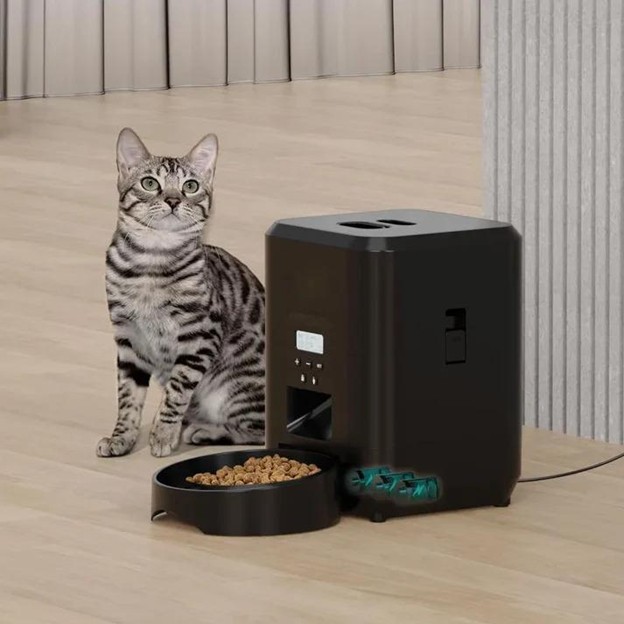
How Automatic Cat Feeders Support Weight Management in Cats
Weight management has become an increasingly common concern for cat owners, especially those with indoor pets. Cats that once stayed active outdoors now spend most of their time inside, where movement is limited, and food is always nearby. Over time, this shift in lifestyle can quietly lead to weight gain that is not always obvious at first.
Many owners do not intentionally overfeed their cats. Instead, weight gain often happens slowly due to unstructured feeding habits, inconsistent portions, or busy routines. Addressing these issues requires more than simply feeding less food. It requires consistency, routine, and better control over how and when meals are served.
Why Weight Management Matters for Cats
Maintaining a healthy weight plays a major role in a cat’s overall comfort and longevity. Excess weight can put pressure on joints, reduce mobility, and make everyday movements more difficult. Over time, this can lead to stiffness, fatigue, and reduced interest in play.
Weight issues can also increase the risk of serious health conditions. Overweight cats are more likely to develop diabetes, breathing difficulties, and heart-related strain.
These problems do not always appear immediately, which is why prevention and early control are so important. A steady feeding routine helps support healthier metabolism and energy balance.
Everyday Feeding Habits That Lead to Weight Gain
Free-feeding is one of the most common causes of overeating in cats. When food is always available, cats may eat out of boredom rather than hunger. This behavior is especially common in indoor cats that lack stimulation throughout the day.
Portion size is another major factor. Many owners pour food into bowls without measuring it accurately. Even small extra amounts added daily can result in noticeable weight gain over time. Treats given frequently or without accounting for calories also contribute to the problem, often without owners realizing the impact.
What Is an Automatic Cat Feeder?
An automatic cat feeder is designed to dispense measured portions of food at scheduled times. Unlike gravity feeders, which continuously refill a bowl, automatic feeders release food only when programmed to do so. This gives owners greater control over daily food intake.
Most automatic feeders allow users to set exact portion sizes and feeding times. This structure removes guesswork and helps establish a consistent routine. For cats struggling with weight issues, predictability and controlled intake are essential components of healthier eating habits.
Portion Control as a Foundation for Weight Management
Portion control is one of the most effective ways to manage a cat’s weight. Cats do not naturally regulate portion sizes when food is constantly available. Scheduled feeding helps ensure they receive the right amount of food without excess.
By dividing daily food intake into measured meals, cats learn to eat what is provided rather than grazing throughout the day. This approach supports balanced energy levels and reduces unnecessary calorie consumption, making it easier to maintain or gradually reduce weight.
How Scheduled Feeding Improves Eating Behavior
Scheduled feeding creates a sense of routine that benefits both cats and owners. Cats begin to anticipate meal times and adjust their behavior accordingly. This often reduces food-related anxiety and constant begging.
Routine feeding also helps stabilize digestion. When meals occur at consistent times, the digestive system adapts to the schedule. This can result in better nutrient absorption and fewer digestive disruptions, which supports overall health alongside weight control.
Supporting Daily Weight Control With Automatic Feeders
Automatic feeders help remove human error from daily feeding routines. Once programmed, the feeder delivers the same portion at the same time every day. This consistency is difficult to achieve with manual feeding, especially for owners with busy or unpredictable schedules.
Using a feeder such as the PetCareShed Automatic Cat Feeder allows owners to maintain controlled portions even when they are away from home. This helps prevent skipped meals followed by overeating, which is a common cycle that contributes to weight gain.
Reducing Stress-Related and Boredom Eating
Cats sometimes eat not because they are hungry, but because they are bored or anxious. Indoor cats are particularly prone to this behavior, especially when left alone for long periods. Unstructured feeding can reinforce emotional eating patterns.
Automatic feeders help reduce this behavior by separating food access from human interaction. When food arrives on a predictable schedule, cats are less likely to associate eating with attention-seeking or stress responses. This leads to more balanced eating habits over time.
Weight Management in Multi-Cat Households
Managing food intake becomes more complex in homes with multiple cats. Some cats may dominate food bowls, while others eat too little or too quickly. These imbalances make weight control difficult for all cats involved.
Scheduled feeding helps reduce competition by limiting when food is available. While some households may still need additional strategies, controlled feeding times make it easier to observe eating patterns and adjust portions when necessary.
Choosing an Automatic Feeder for Weight Control
Choosing the right automatic feeder plays a key role in managing a cat’s weight. A feeder designed for weight control focuses on accuracy, consistency, and ease of use rather than simply dispensing food.
- Portion control is the first thing to consider. The feeder should release measured amounts of food every time, helping prevent accidental overfeeding. Small portion adjustments are important so intake can be reduced or increased gradually based on weight goals.
- Meal scheduling is another essential feature. A good feeder allows meals to be spread evenly throughout the day. Fixed feeding times help cats develop a routine and reduce constant snacking, which supports better calorie management.
- Reliability matters for long-term success. The feeder should dispense food on time without skipping meals or releasing extra portions. Consistent performance helps maintain stable feeding habits, which are critical for weight control.
- Ease of cleaning should not be overlooked. Removable trays and smooth surfaces make cleaning simple and help prevent food buildup. Clean feeding equipment supports both hygiene and consistent portion delivery.
- Food compatibility also plays a role. The feeder should work well with the dry food your cat eats daily, dispensing it evenly without crushing or clogging. This ensures portion accuracy remains consistent.
- Daily use convenience makes feeding routines easier to maintain. Simple setup, easy portion adjustments, and dependable operation help owners stick to structured feeding plans without added effort.
For cat owners who want to apply these weight-control principles in daily feeding routines, options such as the PetCareShed Automatic Cat Feeder are often used to support portion accuracy and consistent scheduling without relying on manual feeding.
Transitioning Your Cat to an Automatic Feeder
Cats can be sensitive to changes in routine, so transitioning to an automatic feeder should be done gradually. Start by setting feeding times that match your cat’s current schedule. This helps reduce confusion and stress.
Monitoring your cat’s behavior during the transition is essential. Some cats may take time to trust the feeder, while others adapt quickly. Patience and consistency are key to ensuring a smooth adjustment and long-term success.
Recognizing Signs of Healthy Weight Progress
Positive changes usually appear gradually. Increased playfulness, improved mobility, and more consistent energy levels are common indicators that feeding routines are working. Weight stabilization is often the first noticeable improvement before actual weight loss occurs.
Regular vet checkups help confirm progress and ensure nutritional needs are being met. Automatic feeders support the process, but professional guidance remains an important part of responsible weight management.
Final Thoughts
Weight management in cats is not about restriction but about structure and consistency. Automatic feeders support healthier eating habits by providing controlled portions and predictable schedules. When combined with attentive care and regular monitoring, they help cats maintain a balanced weight and better overall well-being.
By improving how and when cats are fed, owners can take meaningful steps toward long-term health without disrupting daily routines.
Frequently Asked Questions
- Can automatic feeders help cats lose weight safely?
Yes, when used with proper portion sizes and gradual adjustments, they support healthy and controlled weight reduction.
- Are automatic feeders suitable for everyday use?
Most quality feeders are designed for daily operation and help maintain consistent feeding routines.
- How often should cats be fed each day?
Most cats benefit from two to four measured meals daily, depending on age and activity level.
- Do automatic feeders work well for indoor cats?
Yes, they are especially helpful for indoor cats by reducing boredom eating and improving portion control.

The above article is paid content, and any information presented should be independently verified before making any decisions as a result of the content. This article does not constitute advice of any kind, nor does it represent the opinions of the website publisher.