

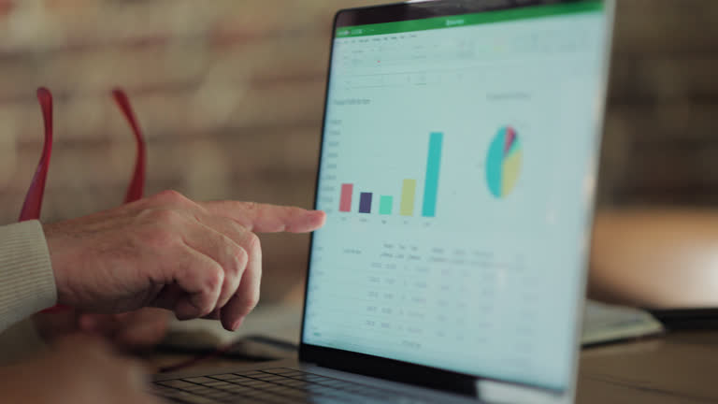
The way Australian businesses make decisions has changed. It is not dramatic or sudden, but it is significant. Organisations that used to rely on gut instinct, experience and intuition are increasingly turning to data to understand what is really happening, where the opportunities are, and what the risks might be.
This shift isn’t limited to tech companies or financial institutions. It is spreading across sectors, roles and organisation sizes, and it is changing what employers want from the people they hire, promote and trust with big decisions.
How Data Is Changing Decisions Across Australia’s Business Landscape
The idea that data is “just for data people” is outdated. Walk through almost any Australian industry today, and you will find data sitting at the centre of how decisions get made.
- Retail businesses use sales and customer data to manage inventory, personalise promotions, and predict demand.
- Healthcare organisations analyse patient data to improve outcomes, identify gaps in care, and allocate resources more effectively.
- In construction, project managers are tracking cost and performance data to keep budgets on track and flag risks before they become expensive problems.
- Logistics teams are using route and delivery data to reduce fuel costs and improve service.
- Even local government departments and not-for-profits are under increasing pressure to justify spending and demonstrate impact through evidence.
None of these are niche examples. They represent a broad, structural shift in how Australian organisations operate.
And it is not just large enterprises with dedicated analytics teams. Small and medium businesses increasingly use accessible tools, platforms, and dashboards to make sense of their own numbers. The difference now is that the expectation of being data-informed has shifted from IT departments to finance, marketing, operations, and HR.
Practically, this means professionals across many industries are being asked to do things they may not have been trained for: interpret a report, question a trend, understand what a metric actually means for the business, or make a recommendation based on evidence rather than instinct.

From Insights to Action: The Practical Power of Business Analytics
Knowing that data matters is one thing. Knowing what to do with it is where the real value lives.
At its most useful, business analytics is not about building complex models or mastering software.
It is about asking better questions.
- What is actually driving that drop in sales?
- Is this customer segment growing or shrinking?
- Where are the bottlenecks in our process, and what is it costing us?
- Which of these initiatives is delivering the best return?
Good analytics thinking helps you move from “here is what happened” to “here is why it matters” and then to “here is what we should do next.” That progression, from data to insight to action, is what makes analytics genuinely powerful in a business setting.
Take marketing as an example. A marketing professional who can read campaign data, identify which channels are working and make confident decisions about where to redirect budget is more useful than one who can run a campaign but cannot evaluate it.
And a finance professional who can spot anomalies in cost data, understand what is driving the variance, and clearly communicate it to a leadership team delivers real organisational value.
The point is not to become a data scientist. It is to develop enough analytical confidence and capability to engage with data meaningfully, ask the right questions, and contribute to better decisions.
That kind of applied business thinking is increasingly what separates capable professionals from genuinely influential ones.
How Studying Applied Business Analytics Could Shape Your Next Career Move
It’s worth seriously considering how to build your skills in this field, and postgraduate study is one solid option.
Completing something like a Master of Applied Business Analytics doesn’t guarantee your career will automatically change course.
What it can do is give you a structured way to develop skills that are genuinely hard to pick up on the job:
- How to work with data methodically
- How to understand analytical tools and frameworks
- How to communicate insights clearly to non-technical stakeholders
- How to connect analytical thinking to real business outcomes.
For many professionals, the confidence gap is as significant as the skills gap. Being in a room where people discuss data and feeling like you don’t quite have the language or framework to contribute is frustrating. A well-designed study can help close that gap.
There is also the credential itself. In competitive job markets, evidence of capability matters. A postgraduate qualification in business analytics signals to employers that you have made a serious investment in developing a genuinely in-demand skill set. That can make a difference when you are being considered for a promotion, a leadership role or a move into a new industry.
Online postgraduate programs have also made this kind of study far more accessible than before. You don’t need to pause your career or relocate. You can build analytical capability alongside the work you are already doing, and increasingly apply what you are learning in real time.
Data is not going away, and neither is the expectation that professionals across all kinds of industries can engage with it meaningfully. The good news is that analytics capability is learnable.
And no, you don’t need to start from scratch or reinvent yourself. Building confidence with data, developing the ability to ask sharper questions and communicate evidence-driven insights is genuinely achievable, and it opens up real possibilities for the kind of professional contribution you can make.

The above article is paid content, and any information presented should be independently verified before making any decisions as a result of the content. This article does not constitute advice of any kind, nor does it represent the opinions of the website publisher.