

Life has become a lot more convenient over the years, and the way we furnish our homes has changed along with it. Today, homeowners have access to furniture and fittings that make everyday tasks easier while adding something beautiful to their interiors. Even something as ordinary as a bedroom wardrobe has come a long way.
There was a time when a standard freestanding wardrobe was considered perfectly adequate. As long as it had enough room for clothes, a hanging rail and a few shelves, there wasn’t much else to think about. Today, custom wardrobe design gives homeowners across Sydney and beyond the freedom to plan storage around their belongings, bedroom dimensions and personal tastes.
Of course, everyone approaches a wardrobe project differently. Some are happy to follow their wardrobe maker’s recommendations and choose a practical layout. Others enjoy exploring the latest finishes, colours and design details before making a decision. And there’s nothing wrong with wanting a wardrobe that looks as good as it works.
If you’re planning a bedroom update and want to know what’s catching attention in the design world, here are five wardrobe trends worth exploring in 2026.
Wardrobes That Blend Into the Room
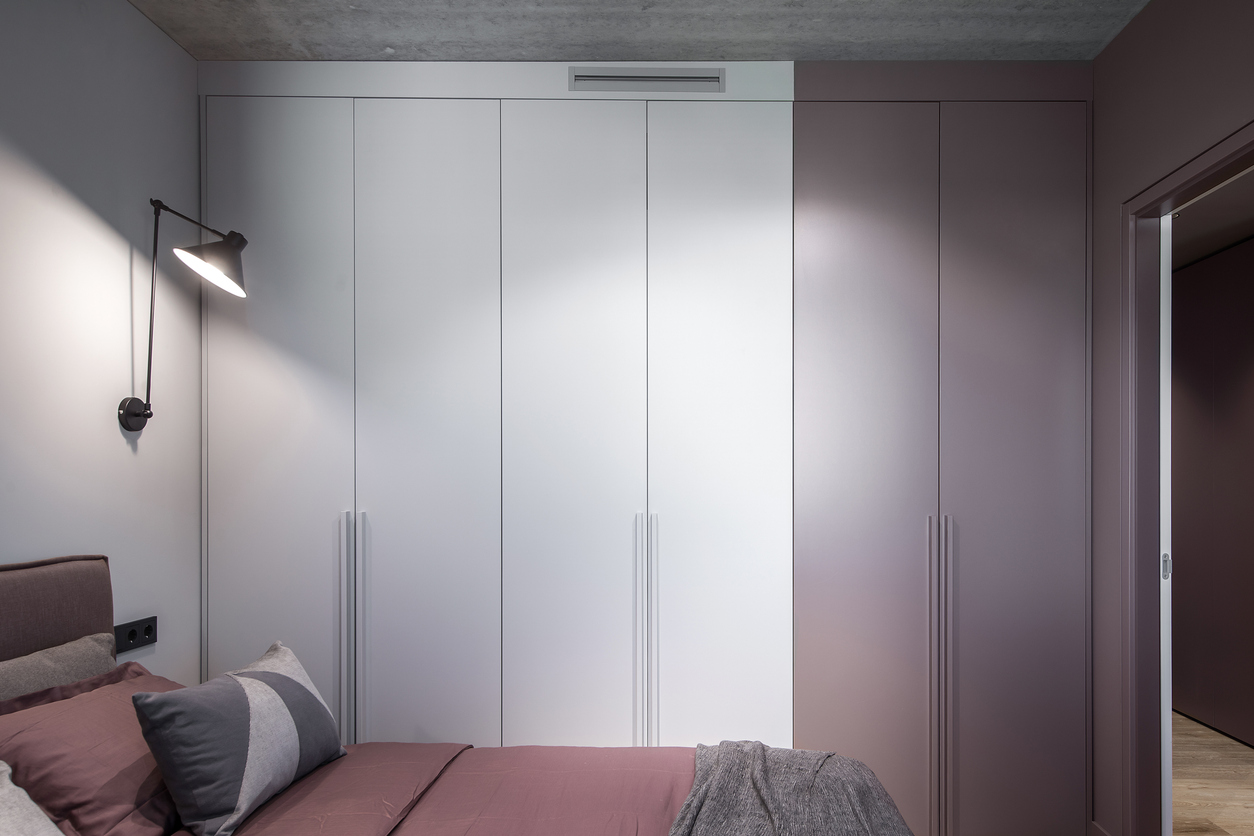
One of the more interesting changes in wardrobe design is how wardrobes are becoming part of the bedroom itself. Instead of looking like a separate piece of furniture, modern built-ins can be designed to complement the walls, flooring and other furnishings.
For example, you could choose wardrobe doors in a similar shade to your bedroom walls, use slim handles that don’t draw too much attention, or extend the cabinetry towards the ceiling for a more consistent finish.
Door selection matters too. Sliding doors can work well where there is limited clearance, while hinged doors provide wider access when there’s enough room for them to open. Choosing the right door handles can also make a difference to both functionality and appearance. If you’re considering mirrored panels, using a mirror on just one door can also be useful for dressing without covering the entire wardrobe in reflective surfaces.
Open Shelving Zones for Display and Easy Access
Who says everything in your wardrobe needs to be hidden behind closed doors?
Open shelving is a useful option if you like keeping certain belongings visible and within easy reach. Think of your favourite handbags, everyday shoes, neatly folded jumpers or accessories you use regularly.
You can also reserve a small section for decorative items, such as framed photographs or a favourite ornament, particularly if you’re planning a walk-in wardrobe or dressing area.
Lighting can make these open sections even more practical. For instance, discreet LED strips fitted beneath shelves can help illuminate your belongings while adding a warm, welcoming feel to the space. Sensor-operated lights are another useful option for darker compartments, making it easier to find what you need without switching on the main bedroom light.
Keep the items you enjoy seeing on display and tuck away the things that are harder to keep tidy. Just remember that open shelves collect dust, so they’re best suited to belongings you’re happy to clean and organise regularly.
Dedicated Accessory Storage
It’s often the smaller belongings that make a wardrobe difficult to organise. Belts end up tangled, jewellery gets mixed together, and shoes somehow take over the bottom of the cupboard.
That’s why dedicated accessory storage is worth considering when planning a new wardrobe. Depending on what you own and use regularly, here are a few practical additions worth exploring:
- Jewellery drawers: Shallow drawers with separate, soft-lined compartments can keep rings, watches, earrings and other valuables neatly organised.
- Pull-out trouser racks: These allow you to hang trousers separately, making them easier to see and retrieve without disturbing other clothes.
- Belt and scarf organisers: Dedicated hooks, rails or pull-out holders can prevent smaller accessories from becoming tangled.
- Adjustable shoe shelves: These can accommodate different types of footwear, from everyday sneakers to heels and taller boots.
- Handbag compartments: Open shelves or vertical dividers can give handbags and clutches their own space without stacking them on top of one another.
Of course, you don’t need every accessory available. Start with the belongings you own and use most often. If you’re exploring wardrobes near me, ask your local Sydney wardrobe specialist which storage accessories can be incorporated into your design. They can help you choose fittings that suit your belongings and available space without adding unnecessary costs.
Home Office Integration
Since the pandemic, working from home has changed what many Australians expect from their living spaces. With hybrid and remote work becoming more common, not everyone has a spare bedroom to turn into a dedicated study. That’s why a compact workspace built into existing cabinetry can be an appealing alternative.
If your bedroom has a suitable alcove, you might be able to incorporate a small desk, shelves and storage into the same joinery as your wardrobe. In some layouts, the workspace can even sit behind cupboard doors, allowing you to close it away when the working day is over.
This can be particularly useful in apartments and townhouses where one room needs to serve several purposes.
However, before committing to the design, think about whether there’s enough room for a comfortable chair, proper lighting, electrical outlets and ventilation. You’ll also need space to move around without blocking wardrobe access. It’s worth consulting your local wardrobe company to explore what’s possible within your space. An experienced designer can assess the layout, suggest practical options and help you decide on the best way forward.
Warm, Earthy Wardrobe Colours and Finishes
White wardrobes have been a popular choice for years, and they’re still a practical option. But if you want your bedroom to feel a little warmer or more personal, there are plenty of other finishes worth exploring.
Timber-look surfaces in oak, walnut and honey tones can bring natural warmth to a bedroom. Soft taupe, stone, warm grey and muted green are also appealing options if you prefer colour without making a dramatic statement.
For a more detailed finish, consider using fluted or lightly textured panels on selected wardrobe doors. These can introduce subtle depth and interest, especially across a wide run of cabinetry. And remember, you don’t have to follow every new colour trend. Choose something you’ll still enjoy looking at several years from now.
Your wardrobe can also reflect your personal style, including the colours you enjoy wearing. As explored in our article on the psychological benefits of a colourful wardrobe, colour can be an interesting part of how we express ourselves through clothing, and your wardrobe’s exterior can reflect that individuality too.
Choosing Trends That Will Last
It’s enjoyable to explore new colours, finishes and clever storage accessories, but a wardrobe is usually a long-term part of your home. The decisions that matter most are to have comfortable access, enough hanging space, sensible shelving and materials that suit everyday use.
If you’re building a new home or undertaking a major renovation, discuss wardrobe requirements early with your designer or builders. That gives you time to consider ceiling heights, door clearance, bedroom furniture and electrical provisions before the layout is finalised.
And if you’re updating an existing bedroom, a local wardrobe design specialist can help you work out which trends genuinely suit your space and budget.

The above article is paid content, and any information presented should be independently verified before making any decisions as a result of the content. This article does not constitute advice of any kind, nor does it represent the opinions of the website publisher.