

 A bugbear of mine is that central Parramatta could do with more great pubs. I’m thinking the sort of place you’d proudly show off to a visitor, perhaps chance upon for a nightcap or pick for a first date.
Of course, there’s the Rose & Crown, the Collector and the Commercial, all fine establishments in their own ways. For generations, the Albion Hotel (soon destined for the gallows) has been a destination for its great music and buzzing courtyard.
Nick & Nora’s and Ruse Bar attract a swish clientele of young suits. However, they very much represent the “new Parramatta”, leaving an awkward fit for patrons more at home among comforting fireplaces, tattered carpets and old-fashioned memorabilia.
Those who recall back in the day when the local watering hole was a special place of solace and connection, and the bartender knew everyone’s favourite tipple.
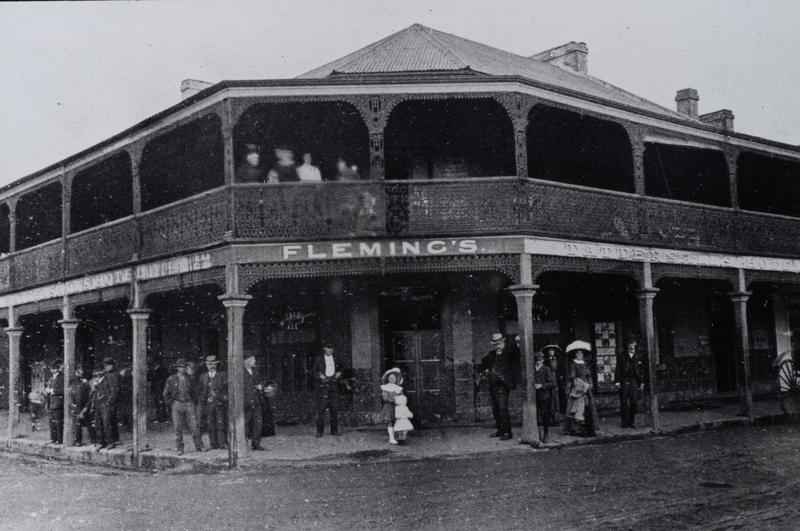
Traditions don’t happen overnight. They take years, decades, even centuries to build.
A great pub is the sum of the stories and secrets that lurk within its walls, always growing in the retelling and whispered down from one generation to the next.
It’s a venue for legendary gatherings on special occasions like birthdays and wedding anniversaries.
A game of two-up on Anzac Day or sporting fixtures like the Melbourne Cup.
I’ve been thinking about all this lately given recent reports that the Royal Oak Hotel on Church Street – as many of us suspected – never needed to be knocked down for the Parramatta light rail. It was unquestionably a great pub – and one of Australia’s oldest.
An inn and horse stables was first erected on site in 1813 by the emancipated convict John Metcalf. John Tunks, descendant of the First Fleet voyager William Tunks, ran the Shamrock, Rose and Thistle, which was finally renamed the Royal Oak four decades later.

It was a rare example of a Victorian-era hotel and an institution before, during and after Eels games.
I remember being there on a 40-degree Australia Day in 2020, when it was packed to the rafters with old-timers. Barely four months later, under cover of darkness and public panic over COVID-19, Transport for NSW sent the bulldozers in.
Today, the dismal nature of this decision is clear.
According to Transport for NSW, demolition of the Royal Oak was necessary to provide space for two light rail tracks, traffic lanes for vehicles and pedestrian footpaths. As a result, we now have – as Suzette Meade of the North Parramatta Residents Action Group memorably put it – a footpath wide enough for two buses.
Bizarrely, the original Cobb & Co Stables have been retained in a cursory nod to heritage values, but the pub itself has gone, confined to history.
Sadly, the overwhelming majority of the site has remained untouched by the light rail construction and is now strewn with weeds.
The failure to preserve the Royal Oak lies squarely with the previous state government. However, some culpability should also attach to the City of Parramatta, which proved unable to rally and work together effectively to reverse the original decision. A pocket park is one idea to salvage what is left – but like the sleek new “Royal Oak Hotel” built across the road, it’s hard to imagine things ever being the same.
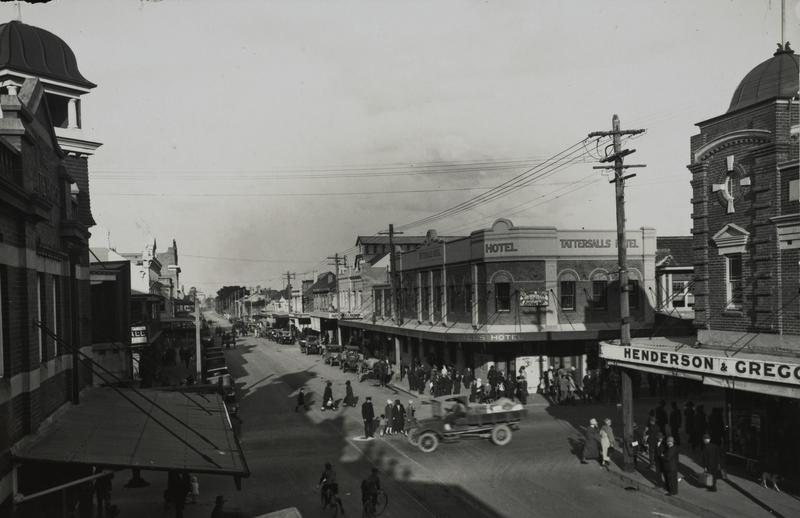
Central Sydney is full of grand, historic venues. Would Transport for NSW ever knock down Fortune of War in The Rocks, where Aussie diggers used to go for a final swig before their deployments?
If Harts Pub were ever headed for the chopping block, there would be an outcry. So why is Parramatta different?
You can imagine a group of politicians and planners sitting in faraway Sydney seeing our history as a trivial inconvenience.
We’re fast reaching the point where it’s time to take more concerted action to protect some of Parramatta’s special places. If heritage codes can’t save the Royal Oak, they’re not worth the paper they’re written on and require a rethink.
The genius of Parramatta is to combine our indigenous beginnings, colonial history and contemporary migrant society – all in the one blessed grid.
It’s time we treasured them equally – remembering all that connects our past to our present and makes this town so special.

Alan is a journalist and communications specialist. He writes a weekly column for Parra News.