

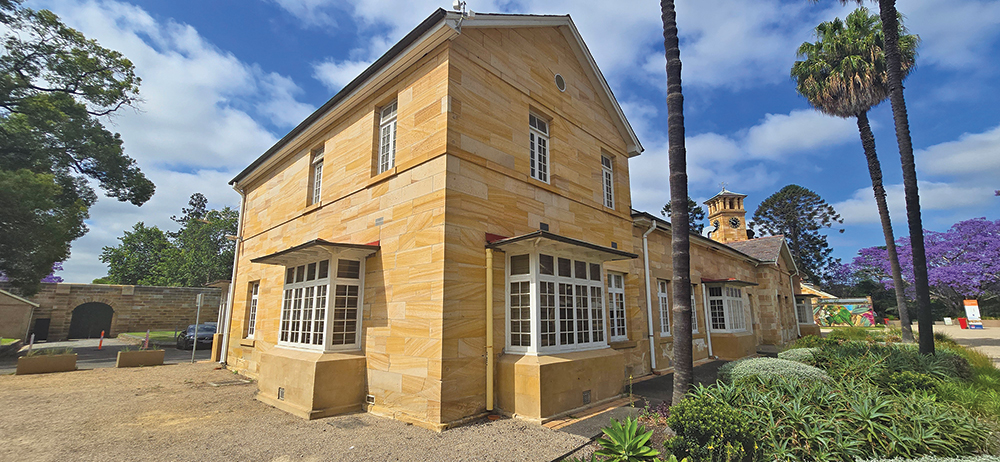
The Parramatta Female Factory is a crucial piece of Parramatta’s history; remembering the trials and triumphs of those transported here in the early to mid-1800s.
It was conceived as a solution for the protection and housing of women upon their arrival to Australia. Of the 24,960 female convicts transported to Australia from England from 1821-1848, over 9,000 women went through the Factory system, working, living and suffering inside the walls of the Parramatta Female Factory.
Parra News was lucky enough to receive a tour from the Parramatta Female Factory Friends’ Kevin Dodds, who explained the Factory’s expensive history.
Located in North Parramatta, the expansive grounds were home to 1,200 women despite being intended to accommodate only 500.
These women lived and worked at the Factory, producing copious amounts of linen and cloth, as well as sewing, straw plaiting and laundry service throughout their seven-year sentence. The women were split into three separate classes, as a means of control, as well as to reward or punish.
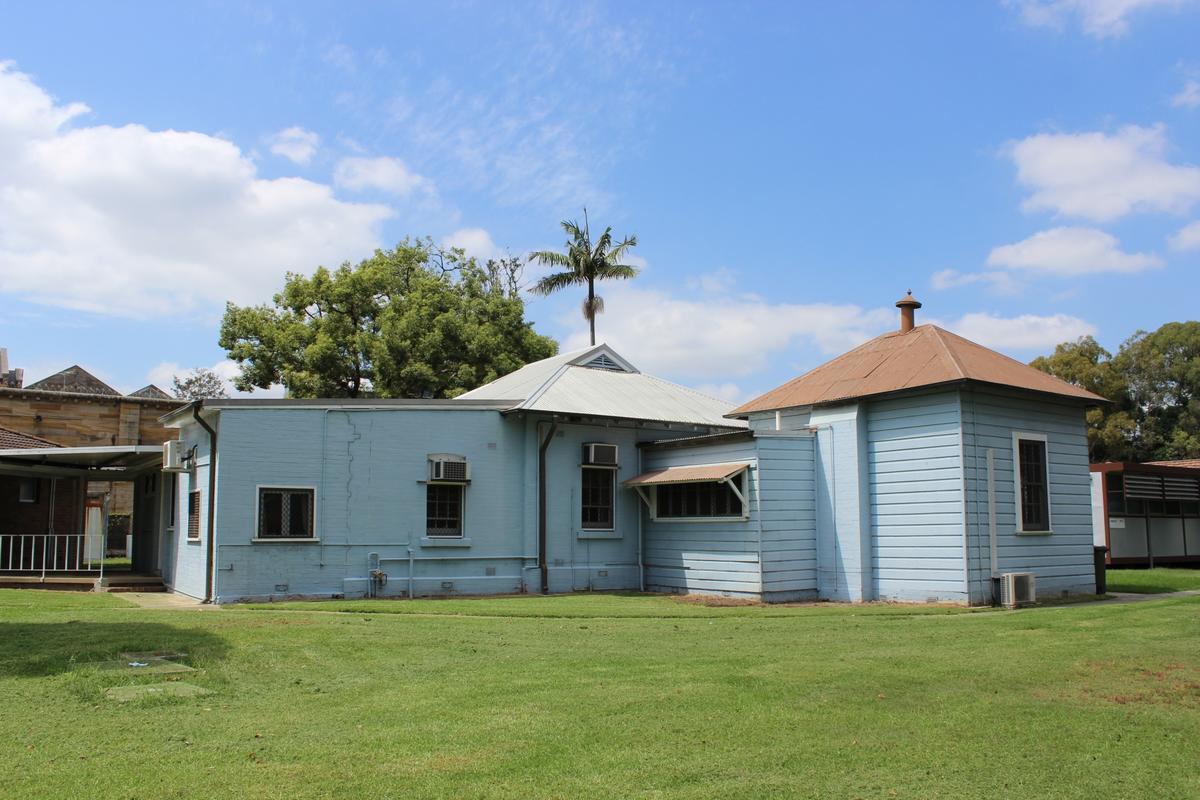
First Class benefited the most; being offered assignment away from the Factory, along with the opportunity to get married and leave before the end of their sentence. Any infraction of the rules however, would see a woman demoted to Second Class.
Their capability was much the same, although they were stripped of outside assignments.
Third Class was penitentiary; reserved for those who had committed serious crimes or displayed repetitive bad behaviour. These women were imprisoned and subject to harsh punishments, such as oakum picking (pulling apart rope into single strands), rock breaking, solitary confinement or the dreaded hair shaving.
Women who bore children during their sentence or had children with them upon arrival were also punished, even if the child’s birth was a result of sexual assault.
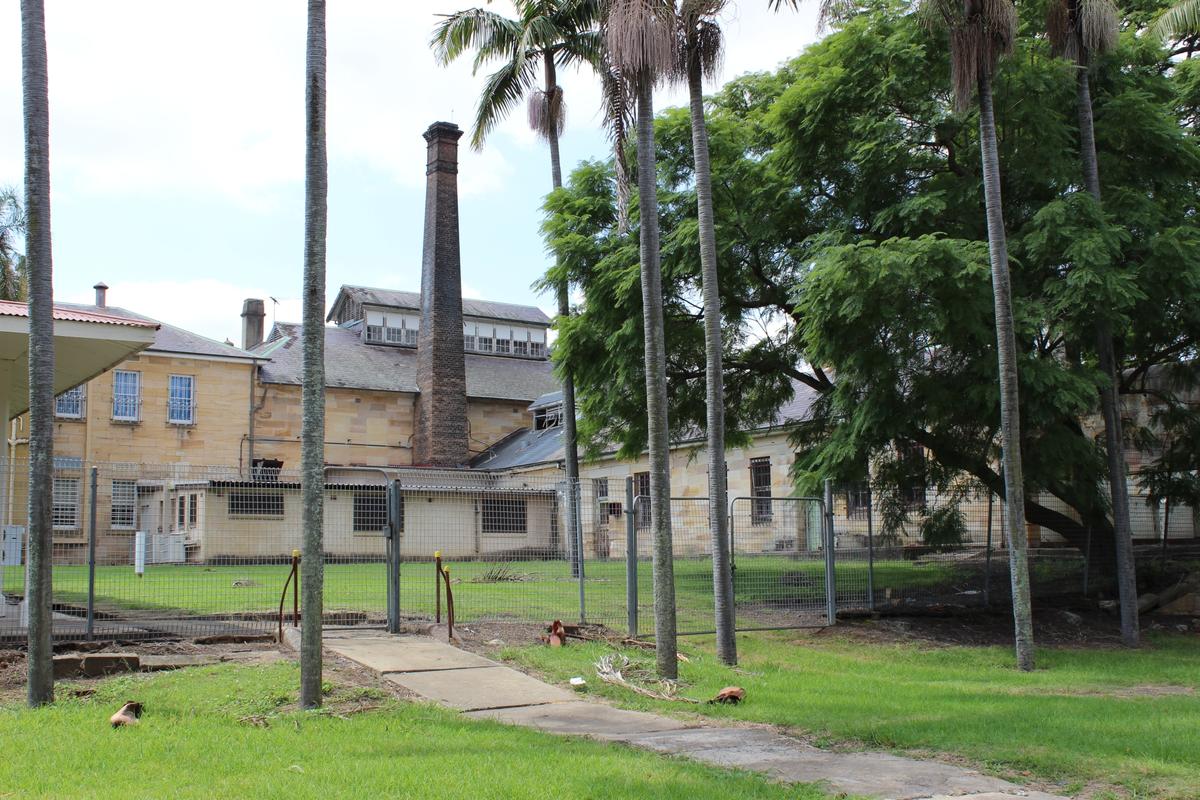
Children born within the Factory were permitted to stay with their mothers until age three. They were then sent to neighbouring orphan schools and put to work by age eight (boys) and 10 (girls).
As a result of harsh treatment, a riot broke out in 1827, seeing a hoard of women break down the main gate and run through the streets of Parramatta. It took six months for authorities to locate and bring all the women back to the Factory. This resulted in five more riots being carried out throughout the Factory’s years.
Closed in 1848, the Factory went on to be used as an asylum and hospital for the mentally ill, a training school, a remand centre, and a correctional and detention centre, all before being taken over by the Parramatta Female Factory Friends (PFFF); an organisation of community locals fighting for the future of the Factory site and a World Heritage Listed status.
The PFFF conduct tours, guest speaker programs, workshops and events focused on the Parramatta Female Factory and are dedicated to preserving the legacy of those who once walked the grounds. For many members, this work is deeply personal.
As Kevin shares: “Discovering my ancestors, Catherine Ahern and Selina Jones, at the Parramatta Female Factory sparked a deep personal connection. I joined the Female Factory Friends to honour their resilience, preserve this vital history, and advocate for recognition of the women whose strength shaped Australia’s foundations. Their stories deserve to be heard. In a small way I honour them in telling their stories.”
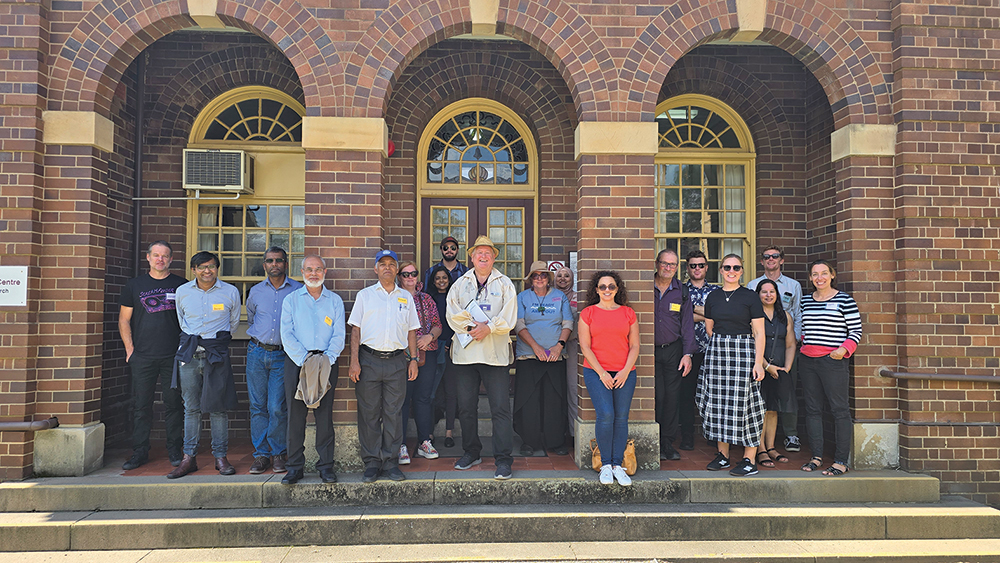
The PFFF are vital in keeping the memory and spirit of the Female Factory alive, ensuring the story of these women will live on.
Visit https://www.parramattafemalefactoryfriends.com.au.

Madeline Dantier is the author of the Experience Parramatta series, hosted by Parra News.