

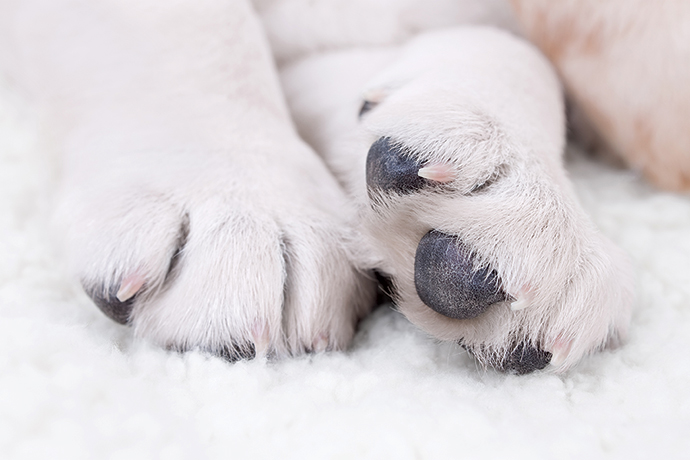
 Are your dog’s nails constantly tap-tap-tapping across your floorboards like a tiny parade of high heels on tiles? While it might sound amusing, long nails can be more than just a noisy inconvenience – they can lead to pain, injury, and long-term health issues for your furry friend.
Trimming your dog’s nails isn’t just about aesthetics or neatness – it’s an essential part of their health and wellbeing. Overgrown nails can cause a range of problems, from uncomfortable walking to serious injuries. When left too long, nails grow in a curved shape, eventually pressing into the paw pad and causing pain or even infection. They can affect your dog’s posture, leading to joint issues, and they’re more likely to catch on carpets or furniture, risking torn nails – a painful and messy injury.

So, how often should you clip your dog’s nails? The answer varies depending on your dog’s breed, age, lifestyle, and how quickly their nails grow. As a general guide, if you can hear their nails clicking on the floor when they walk, it’s time for a trim. For most dogs, this means every 4–6 weeks. Regular clipping not only keeps nails at a safe length but also helps prevent the sensitive quick – the blood vessel inside the nail – from growing too long. This makes future trims easier and safer.
How to clip your dog’s nails
Start by gently holding your dog’s toe between your fingers. Use sharp, pet-specific nail clippers and trim just the tip of the nail. Never cut beyond the curve, as this risks cutting into the quick, which is painful and will bleed. If your dog has clear or white nails, the quick is usually visible as a pink line. For dogs with darker nails, look for a chalky white ring on the cross-section of the nail after each snip – that’s your sign to stop.
And don’t forget the dewclaws – the extra nail on the inner side of the paw. These don’t touch the ground, so they won’t wear down naturally and can easily curl inward if not trimmed.
Top tips to make nail clipping easier
• Start early: Introducing your puppy to nail trims while they’re young sets them up for success later. Regularly handle their paws, even when you’re not trimming, and always reward calm behaviour. This helps build positive associations that last a lifetime.
• Make it positive: Use treats, praise, and patience. A lick mat smeared with dog-safe peanut butter can be a brilliant distraction. Some owners even turn nail trimming into a bonding session with lots of pats and cuddles.
• Stay calm and confident: Dogs can pick up on your anxiety. If you’re nervous, they’ll be nervous too. Keep sessions short and positive – don’t try to tackle all four paws in one go if it’s overwhelming.
• Don’t hesitate to ask for help: If nail trimming feels too stressful for you or your dog, speak to your veterinary team or a professional groomer. They can show you the right technique, trim the nails for you, or discuss sedation or twilight anaesthesia if needed for particularly anxious dogs.
• Be consistent: The more regularly you trim your dog’s nails, the easier it becomes for everyone. an waiting until the nails are overgrown.
With patience, practice, and a few tasty treats, you can turn nail trimming into a positive experience that supports your dog’s long-term health.
The team at Orchard Hills Veterinary Hospital is here for you. Whether it’s advice, a demonstration, or a professional nail trim, we’re happy to help.

Troy Dodds is Parra News' Managing Editor and Breaking News Reporter. He has more than 20 years experience as a journalist, working with some of Australia’s leading media organisations. In 2023, he was named Editor of the Year at the Mumbrella Publish Awards.