

Most of us don’t realise just how much we rely on electricity until something interrupts it. In NSW especially, where our homes run on air conditioning, dishwashers, laptops, gaming consoles, security cameras, hot water systems and a dozen chargers scattered around the house, it only takes one small electrical issue to bring everything to a halt.
You only really think about it when something feels off. The power trips right in the middle of cooking dinner. A light flickers in the hallway and your gut says, “That’s odd.” A switch feels hotter than it should, but you’re tired, so you tell yourself you’ll deal with it later.
The hard truth is that electricity doesn’t give many second chances. What starts as a small annoyance like a buzzing switch, a burning smell you can’t quite place, or a circuit that keeps tripping, can turn into a fire, a major shock, or serious damage to your home. That’s exactly why electrical safety in NSW homes is such a big focus for local authorities and licensed electricians alike.
NSW authorities consistently highlight the importance of electrical safety in the home, especially as older wiring systems are pushed beyond what they were designed to handle. Let’s walk through five common electrical problems that seem minor on the surface, but can have serious – even fatal consequences if they’re left unchecked.
Frequent Circuit Breaker Trips
A circuit breaker’s job is to protect your home. When it cuts the power, it’s doing exactly that. But if you find yourself resetting the same breaker repeatedly, it’s a sign the system is under pressure.
Sometimes the cause is straightforward, referring to too many high-demand appliances running on the same circuit. Other times, it suggests an ageing wiring system, a faulty appliance, or simply a home that’s outgrown the electrical design it was originally built with.
Frequent tripping isn’t something to “wait out.” Behind the scenes, overloaded or weakening electrical components generate heat, and heat is what eventually leads to insulation damage and fires. Treat a repeatedly tripping circuit as a warning that deserves attention.
Flickering or Dimming Lights
Lights that flicker or dim when appliances turn on are often dismissed as “just one of those things.” In reality, this can indicate loose wiring, poor connections, or uneven load distribution across circuits.
Loose connections are especially dangerous because they create resistance, which generates heat. Over time, that heat can degrade insulation and create ignition points. This is one of the more common causes of electrical fires in residential properties.
If flickering happens in one room, it may be a localised wiring issue. If it occurs across the house, it could suggest a broader supply or switchboard problem. Either way, it’s not something to ignore, especially if the issue appears suddenly or worsens over time.
Burning Smells or Warm Power Points
A burning smell means something is actively overheating. Could be old insulation breaking down, or a loose connection that’s arcing and generating heat. It could also be an outlet that’s being asked to handle way more current than it was designed for. Whatever the specific cause, overheating + electrical system = fast track to house fire.
And those scorch marks – the brownish or blackish stains you sometimes see around outlets or switches? That’s proof that excessive heat has already been doing damage. If you can see it, the problem has moved past the “early warning” stage, and at this point, continuing to use the outlet is a real risk.
Turning off power to the affected area and having it inspected promptly is the safest move – followed by contacting a reliable electrician team to prevent property damage or serious personal harm.
Buzzing Sounds from Switches or the Switchboard
Electrical systems are meant to operate quietly. Buzzing, humming, or crackling sounds from switches, power points, or the switchboard are never normal.
These sounds often come from loose connections, failing breakers, or internal arcing. Arcing produces heat and can deteriorate wiring rapidly. In switchboards, it may also point to outdated components struggling to cope with modern electrical loads.
Many homeowners only notice these sounds late at night, when everything else is quiet. If you hear them, don’t ignore them just because the system “still works.” Noise is often one of the last warnings before a more serious failure.
Power Points or Switches That Stop Working
A dead power point or switch can seem like a minor annoyance. Extension cords get dragged out, furniture gets rearranged, and life goes on. But when an outlet stops working entirely, it often signals a deeper wiring or circuit issue.
This could be due to internal damage, moisture ingress, or deteriorated cabling – especially in kitchens, bathrooms, garages, and outdoor areas. In some cases, it may also point to unsafe DIY modifications done years earlier.
Rather than working around the problem, it’s safer to find out why it happened. What looks like a single faulty outlet may be part of a broader issue affecting multiple circuits.
Why Acting Early Matters More Than You Think
Electrical problems don’t usually fail dramatically all at once. They degrade quietly. Heat builds slowly. Insulation weakens over time. Connections loosen incrementally.
That’s why early attention is so important. Fixing a loose connection or upgrading a circuit is usually straightforward when caught early. Left unattended, the same issue can require extensive rewiring or lead to serious safety incidents.
For homeowners, this is less about fear and more about responsibility – to your property, your family, and anyone who lives or works in the space.
Electrical Safety is Paramount – Trust Your Local Electricians to Install or Maintain Your Electrical Systems
Electrical safety isn’t something most people want to think about daily, and that’s understandable. The goal is to have systems that work reliably in the background, without stress or uncertainty.
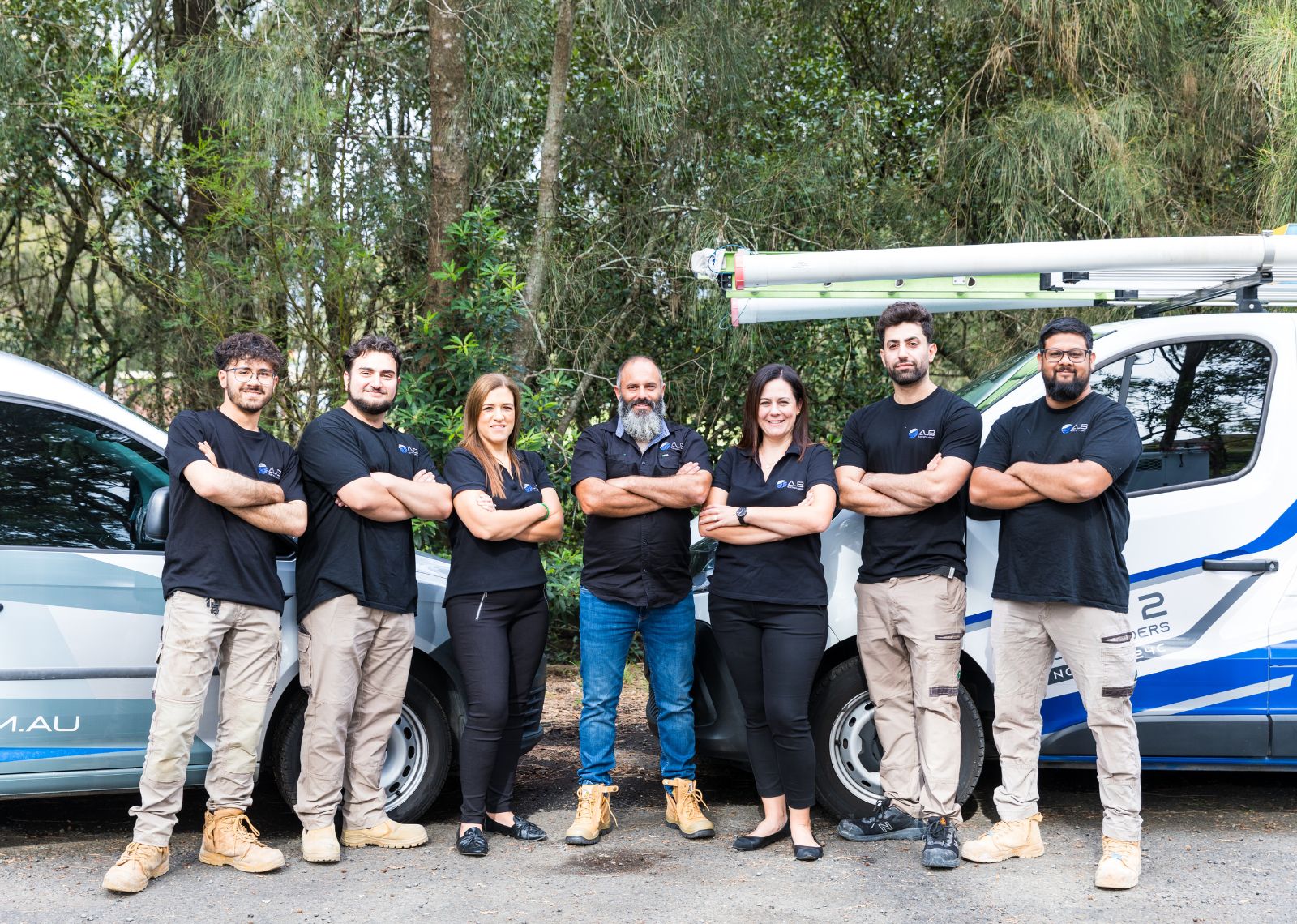
Trusted providers like AJB Electrical Group support both homes and businesses across NSW with practical, safety-first electrical services. Whether it’s routine maintenance, switchboard upgrades, fault-finding, emergency callouts, or specialised ASP work, they’re equipped to step in before a small issue grows into something far more disruptive.
For homeowners, having access to a reliable local Bankstown electrician or nearby service provider means issues can be assessed properly and safely. For businesses, professional electrical support helps ensure compliance, continuity, and safety for staff and customers alike. Paying attention to the warning signs today can help you get fast electrical response in Parramatta and surrounds, helping you avoid bigger problems tomorrow and to keep your home running safely in a world that depends on electricity more than ever.

The above article is paid content, and any information presented should be independently verified before making any decisions as a result of the content. This article does not constitute advice of any kind, nor does it represent the opinions of the website publisher.