

We all need a bit of company from time to time, but unfortunately, the limited space characteristic of Australian dwellings, in our country’s major cities makes the ownership process of larger animals, such as dogs and cats, a bit of a hard sell for the majority of us.
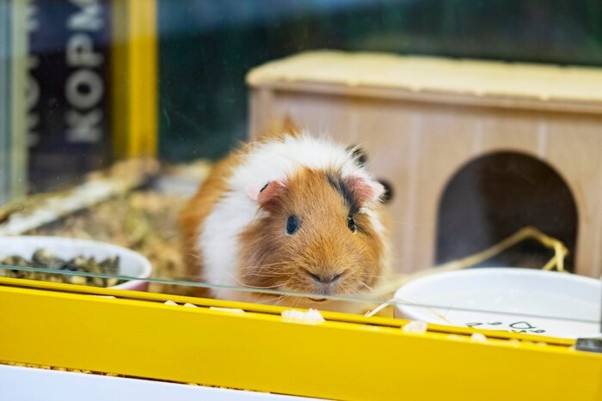
Personally, I always wanted to own a dog, but since I’m living in a small apartment near Sydney’s business district and my work schedule is inconsistent at the moment, I decided to go for the next best thing and invest in a fluffy bundle of joy that I nicknamed Napoleon.
Now, guinea pigs are not exactly the most popular types of pets in Australia. But even so, around 3% of Aussie households own small mammals, and out of them, around 43% prefer guinea pigs. Personally, I think it’s easy to see why. Guinea pigs are intelligent, skittish, and friendly little animals that have the capacity to form genuine connections with their handlers.
They Are Easy-Going and Affordable
They don’t require much; they have a friendly temperament that transforms them into fantastic introductory pets for families with small children, and they are a good choice for first-time pet owners who don’t have the free time required to properly handle the requirements of dogs and cats, or the financial means to handle the vet bills and nutritional expenses associated with larger animal companions.
In fact, this is the main reason why I considered adopting Napoleon. I did want to take care of a pet, but I wasn’t exactly sold on the prospect of spending thousands of dollars per year on miscellaneous expenses that I couldn’t even properly account for. Dogs and cats are great pets; this we can all agree on. But they are not exactly for everyone.
On the other side of the spectrum, for most guinea pig owners, a bag of Timothy Hay, a cage, and some toys purchased from a store that sells pet supplies will be enough, at least at first. But, in order to keep your fluffball around for many years to come, it will be essential to understand his nutritional needs and his feeding quirks.
What Should You Be Aware Of?
When it comes to rodents, guinea pigs are surprisingly long-living, and with proper care, they can stay in the company of your family for years to come. But, as things stand, their lifespan and quality of life will be closely intertwined with their nutrition. Guinea pigs are hindgut fermenters, with a cecum that holds around 65% of their gastrointestinal content.
They require a high-fibre, low-calcium diet that is recommended to be composed of at least 80% hay. Guinea pigs spend most of their free time eating; their teeth never stop growing, they cannot produce vitamin C on their own, and they require a constant supply of high-fibre hay in order to promote motility and prevent intestinal stasis.
Likewise, since in nature they take most of their water directly from the hay/vegetables they consume, guinea pigs are quite prone to urinary tract issues or kidney stones. So, they will also need access to a constant supply of clean water, and in order to avoid developing scurvy, you will need to occasionally feed them leafy greens or vegetables such as bell peppers.
What Are the Main Reasons for Investing in Timothy Hay?
High Fibre Content
Timothy Hay is rich in fibre, which is absolutely essential to keep your guinea pig’s digestive system running properly and avoid blockages that can even prove fatal if not resolved promptly. Around 80% of your fluffball’s diet should consist of grasses, and while Timothy Hay is not the only option available in Australia, it is probably the most convenient one for small rodents such as rabbits or guinea pigs.
Timothy Hay has moderate protein levels, which are necessary to maintain your pet’s healthy weight without featuring excess calories. It’s lower in calcium than alfalfa hay, which means there is less risk of developing kidney/bladder stones and the average crude fibre content revolves around 35%, which is better than orchard grass.
It’s Widely Available
Browse the catalogue of any shop that sells pet supplies, and chances are that you will find at least one offer for Timothy Hay. This grass is considered the gold standard for small rodent nutrition, and because of this, you can pretty much find it in any pet shop, either online or offline.
Timothy Hay has a slightly coarse texture that encourages prolonged chewing and has the effect of naturally wearing down the continuously growing teeth of small rodents. Plus, it’s easily palatable, and its taste is preferred by guinea pigs. It’s popular, cheap, widely available, and healthy for your fluffball.
Why Get It from a Store That Sells Pet Supplies?
Personally, I like doing my shopping at my local store that sells pet supplies, as I can inspect the products I’m interested in in person before buying them, and, more importantly, I can obtain recommendations from dedicated staff who are more qualified than me to assess the nutritional requirements of my small guinea pig.
Moreover, I just like the convenience of stopping for a few minutes in my local shop that sells pet supplies while on my way to work. It has transformed into something of a routine, and occasionally, I have found some discounts on products that are usually not even available on digital stores.
Sure, I enjoy doing my purchases online from time to time. Nothing really beats the convenience of browsing from the comfort of your bed. But when it comes to one-stop shopping and obtaining recommendations for products that maybe are not even on your radar, I am of the belief that nothing tops local pet stores.

The above article is paid content, and any information presented should be independently verified before making any decisions as a result of the content. This article does not constitute advice of any kind, nor does it represent the opinions of the website publisher.