

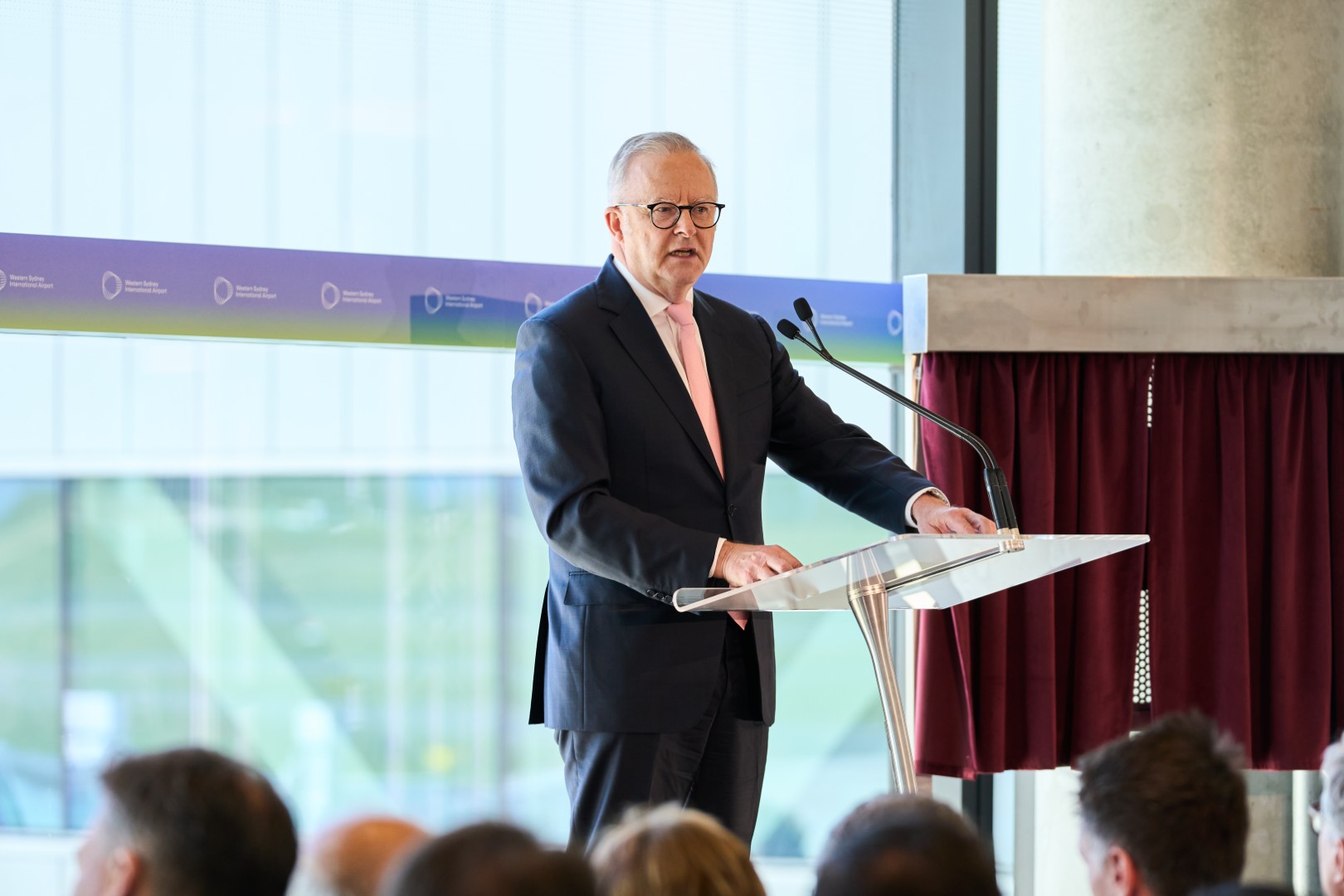
The Prime Minister may have ended the parliamentary year on a high thanks to several legislative wins but MPs are set to return to disgruntled electorates dealing with cost-of-living concerns.
Parliament rose for the year on Friday, after the lower house signed off on plans for a national gas reservation scheme, which would set aside up to 20 per cent of the resource held by companies for domestic use.
But despite other laws passing parliament, including a digital duty of care and a tax on trusts, economic pressures such as high inflation and rising unemployment have Labor’s standing in the polls on a slide.
Mr Albanese said it had been a year of delivery for the government, but acknowledged many would be dealing with financial headaches heading into the festive period.
“We’re in difficult economic circumstances, but we know also that we have a plan, and our plan is to continue to work each and every day in the interests of Australians to deal with cost of living pressures,” Mr Albanese told reporters in Canberra.
“Parliament’s risen for the year but the work hasn’t stopped.”
The Prime Minister said the second half of the term would still be ambitious amid the declining poll numbers for the government, but a cabinet reshuffle was not on the cards.
“We’ve had the same treasurer, the same finance minister, the same foreign minister, the same defence minister. What that does, is you build that experience and it makes a difference,” he said.
“We have a big agenda going forward. Part of it will be bedding down some of the changes that we have made.”
While the Prime Minister highlighted the gas reservation scheme as a major win for the end of the year, he did not say how much energy bills would go down as a result of the measure.
Laws and happy sentiments coming from parliament this week will mean little to the typical voter every party needs to win over, according to YouGov pollster Paul Smith.
“Working Australians are focused on their daily struggle,” he told AAP.
Mr Albanese’s net approval rating has hit a new low of minus 31 according to a Newspoll published by The Australian, with Labor and One Nation tied on primary vote at 27 per cent.
The parliamentary break, which will run until February, will be an important time for major parties to take stock of their policies.
The next federal election is not required until May 2028, but Mr Taylor has alluded that Labor’s days could be numbered if an election was called in the back end of 2027.
Headline inflation rose 4.9 per cent in the year to October – the fastest in three years, according to data released on Wednesday.
Since February, five interest rate hikes have pushed the average monthly repayment on a $600,000 home loan up by $450 as the government struggled to convince voters their tax-reforming May budget was a winner.
The economic gloom helped make 2026 the year Australian politics became a proper three-horse race.
Opposition Leader Angus Taylor’s week ended on a sour note with South Australian senator Leah Blyth defecting to One Nation, which has widely been cited by her former party as a self-serving move.
Senator Blyth would otherwise have been placed fourth on the South Australian Liberal Senate ticket in the next election; a position considered unwinnable.
Her move has drawn ire from Coalition members.
“When you look at all of these scenarios and you think about why an MP has defected to a different party, some of those are significant, unresolvable personality clashes,” Nationals Senator Bridget McKenzie told ABC Radio.
“But (most who move) actually think they’ve got better electoral prospects with their new home.”
Mr Taylor had a small win, ending the year as preferred prime minister.